Layered Slim Necklaces Are Taking Over 2026 Men’s Upper-Body Finish: The Smartest Cleanfit and Campus Neck Detail Right Now
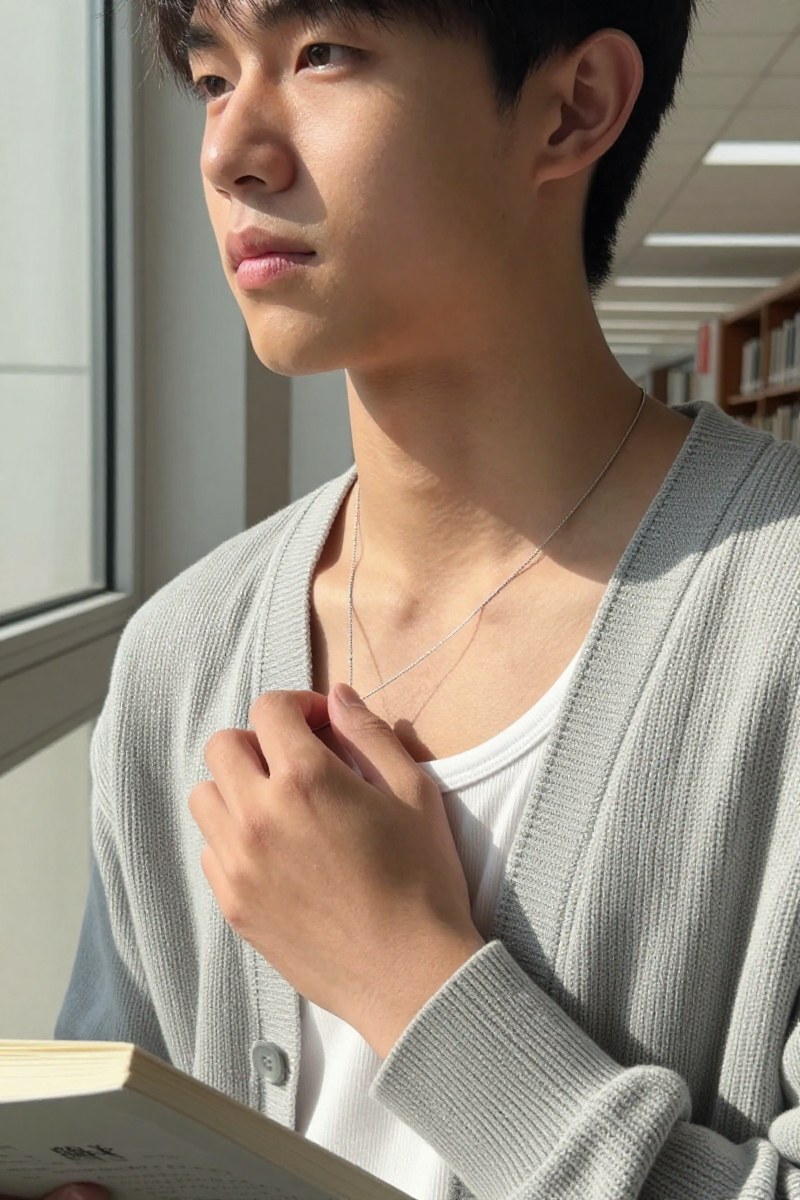
If you look one step deeper into recent Chinese-internet menswear discussion, one very specific change shows up fast. People are still talking about cleanfit, campus-boy dressing, light Korean casual style, library-core calmness, light commuting, white tees, knit polos, striped shirts, and low-saturation basics. But what is increasingly pushing those upper-body looks from “already clean enough” to “visibly more complete” is no longer simply buying another new top. It is a structure sitting much closer to the collarbone and neckline: double-layer slim necklaces, collarbone-chain layering, lightweight silver-chain combinations, and men’s neck accessories built around a very small length difference.
This matters not because “layering” is suddenly a new word, but because Chinese-platform thinking around men’s necklaces is becoming more precise. The previous stage was about accepting the single slim silver chain itself: it did not need to be loud, rap-coded, or theatrical. It only needed to stay light, short, and clean enough to fill the empty space between a white tee, an open shirt, and a knit neckline. By spring and summer 2026, that judgment has moved one step forward. More men are no longer satisfied with just one chain. They are looking for one and a half layers of neck rhythm—not a stack that overwhelms the neck, but a second metal line that is just a bit shorter, finer, or quieter than the first.
Put directly, light layered slim necklaces are taking over men’s upper-body finish because they land exactly on the strongest current demand in Chinese youth menswear: more detail, but not greasy; more layering, but not dirty; more atmosphere for white tees, knits, shirts, and cardigans without jumping straight into heavy-jewelry language. They carry more information than one slim chain, but stay much safer than heavy chains, large pendants, or cluttered multi-piece jewelry. That is also why this belongs in accessories rather than a narrow single-product recommendation. It is really about upper-body structure, not just one object.
1. Why double-layer slim chains feel right now
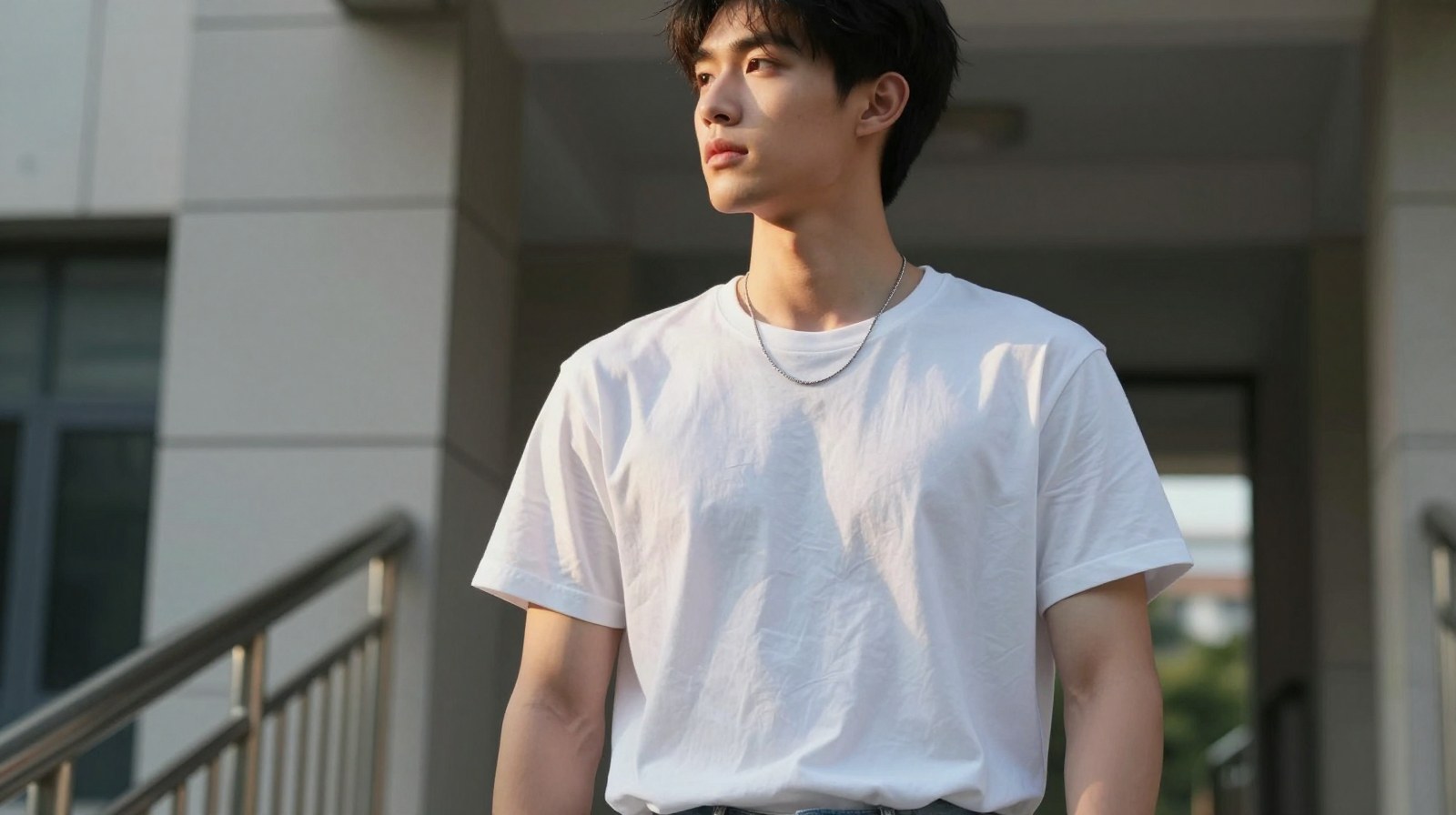
If you line up the current Chinese-platform signals, the direction becomes very clear. Xiaohongshu-style titles keep circling around phrases like “men’s double-layer necklace,” “layering without looking greasy,” “collarbone-chain layering for men,” “two necklaces with a white tee,” “how to stop an open shirt neckline from feeling empty,” “light Korean jewelry for men,” and “men’s necklaces that are not exaggerated.” Douyin and short-video language is even more practical: how should men layer slim chains, what necklace works with an open shirt, how should necklace lengths be matched, how should campus-boy accessories add detail. Bilibili pushes the same questions in search-friendly form: how beginners choose layered necklaces, how to make double-layer necklaces avoid looking tacky, how white tees and knit polos gain neck detail. On Taobao and Tmall, product titles already bundle together slim chain, double layer, collarbone chain, titanium steel, non-fading, minimalist, Korean, cool-tone, daily wear, and light layering.
Seen separately, those phrases look like ordinary platform naming. Seen together, they point in one direction: people are not searching for stage-coded heavy jewelry, but for a wearable neck layer that can be inserted directly into a real wardrobe and used specifically to improve upper-body completion. That matches the broader shift in Chinese youth menswear. The most stable and repeatable looks right now are no longer driven by loud logos or oversized statement shapes, but by cleanliness, ease, believability, and the feeling that someone could actually leave home dressed like that. Layered slim necklaces are one of the cleanest ways to make “more complete” happen in the collarbone zone.
Chinese-internet signals behind the rise of light layered necklaces
2. What it really fixes is information density above the collar
Why do so many men’s outfits still feel merely “clean but ordinary” even when the clothes are technically fine? Usually the answer is not the clothing itself, but the distribution of information. The upper body may already have a stable white tee, blue-striped shirt, cardigan, knit polo, or light outer layer. The lower half may already have straight trousers, jeans, Bermuda shorts, and understated sneakers. Nothing looks bad, but the whole frame still seems one light movement short. Very often, that movement does not come from another garment. It comes from a layer sitting closer to the skin.
This is exactly where double-layer slim chains become effective. A single slim chain solves emptiness. A double-layer slim chain solves the next problem: the upper body is no longer empty, but still not rhythmic enough. A tiny difference in length, thickness, or chain type creates a finer internal hierarchy near the neckline. The same white tee or open shirt suddenly looks more intentionally organized instead of simply acceptable.
That is also why this detail fits current cleanfit and campus-boy menswear so well. Cleanfit is not anti-accessory. It is anti-noise. Good light layering does not steal focus away from the outfit. It connects the white tee, knit texture, open collar, collarbone, skin tone, and face-adjacent lines more naturally. It organizes rather than performs.

3. Why it works better than heavy chains, big pendants, or cluttered jewelry right now
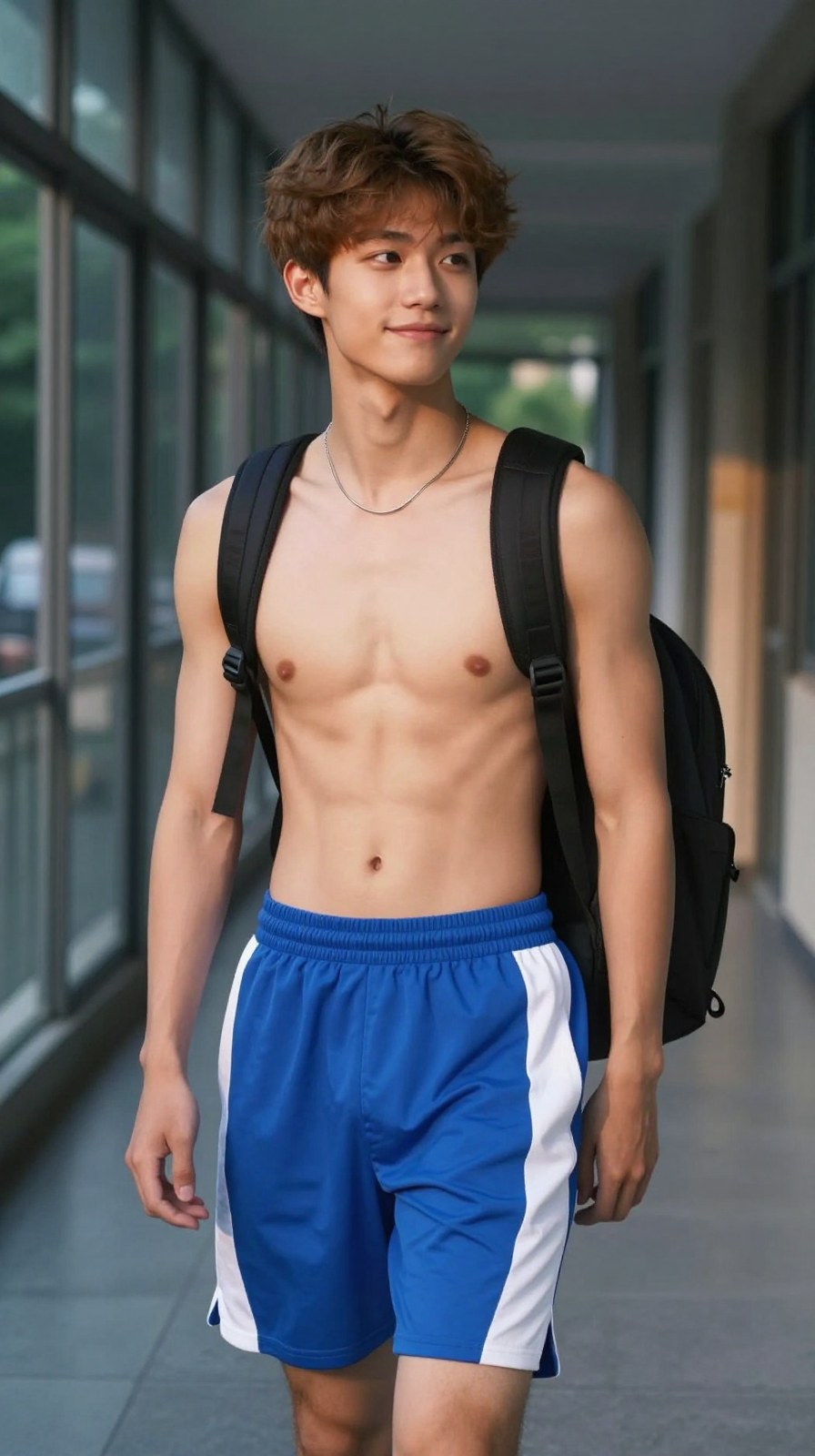
Heavier necklaces still have their own place, but if your target is the most stable current Chinese-internet zone—campus-boy dressing, cleanfit, light Korean casual, light commuting, library-core calmness, and soft campus styling—then light layering is clearly easier to use well. There are four main reasons.
- First, it creates layering without taking over the whole look. Heavy chains turn “you are wearing a noticeable necklace” into the main message. Light layering feels more like “why does your upper body suddenly feel complete?”
- Second, it is more compatible with basic necklines. White tees, grey tees, open shirts, knit polos, cardigans, and white tanks all accept double-layer slim chains naturally, while many of them do not accept heavy chains or large pendants.
- Third, it matches the current low-saturation, real-life mood of Chinese youth menswear. The strongest images now are not built from aggression and spectacle, but from believable small details that lift a person slightly forward.
- Fourth, it gives beginners a lot of room for error. If both chains stay light enough, even slightly conservative choices rarely destroy the outfit. Heavy multi-layer chains and complex pendants go wrong much faster.
So the most worth-buying direction is not the version with the strongest visible presence. It is the version that makes you look more coherent in campus, café, light-commuting, hanging-out, and ordinary photo situations.
4. The five layered routes most worth buying first
1. Two no-pendant slim chains with only a small length difference
This is the safest option and the closest to current Chinese-platform mainstream taste. One sits near the collarbone, the second drops only a little lower. The point is not obvious separation, but a second echo inside the same rhythm.
2. One pure slim chain plus one slim chain with a tiny pendant
If you want a little more identity, start with a plain chain and add a second chain carrying a very small geometric plate, tiny ring, or micro metal detail. The keyword is still tiny. The pendant should act like punctuation, not a headline.
3. One brighter silver chain plus one softer matte silver chain
This combination is also appearing more often in product listings and platform styling. Even if the length difference stays small, the surface difference creates subtle layering at close range, which works especially well with cleanfit and light academic wardrobes.
4. Low-maintenance double layers in titanium steel or stainless steel
This is a very Chinese-platform solution and a very practical one. It is less about precious-metal storytelling and more about water resistance, easy care, and everyday wearability. For most readers new to layering, that is a smarter place to start.
5. Semi-hidden layering used with open shirts and white tanks
Some of the most effective layered looks are not fully exposed. One chain sits close to the collarbone while the other disappears partly into the neckline. A lot of upper bodies that feel unusually “right” on Chinese platforms are built this way.
5. Ten checks before buying
1. Check the length relationship before the brand story
For daily men’s layering, the safest format is one chain close to the collarbone and the second only slightly lower. Too much distance looks performative. Too little distance kills the rhythm.
2. Both chains should read as lines, not ropes
The moment one chain begins to feel rope-like, heavy, or too present, the whole set drifts out of cleanfit and campus language. The core rule is simple: both chains stay light.
3. Prefer softer metal surfaces over full mirror shine
The most worth-buying men’s layered necklaces right now usually avoid high-reflection stage silver. Slightly matte, icy-grey, and calmer silver finishes live with white tees, shirts, and knitwear much more easily.
4. Always inspect clasps, tail chains, and soldering points
Any construction issue becomes more visible once two chains are layered. Messy tail chains, bulky clasps, and rough joints can ruin the whole light effect quickly.
5. If there is a pendant, it should be smaller than your first instinct
The easiest mistake on Chinese platforms right now is not the absence of a pendant, but the pendant wanting too much attention. You need neck structure, not a mascot.
6. If the budget is limited, prioritize proportion and length first
In most real outfits, successful layering depends more on length difference and overall proportion than whether the material is precious metal. Clean titanium steel or stainless steel is often already enough.
7. Look at real try-ons, not only flat lays or black-background reflective product shots
Necklaces sit too close to the face and skin for flat images to be enough. You want to see white tees, tanks, open shirts, and knit polos on body so you can understand how the chains actually interact with the neckline.
8. The more basic your wardrobe, the simpler the necklaces should be
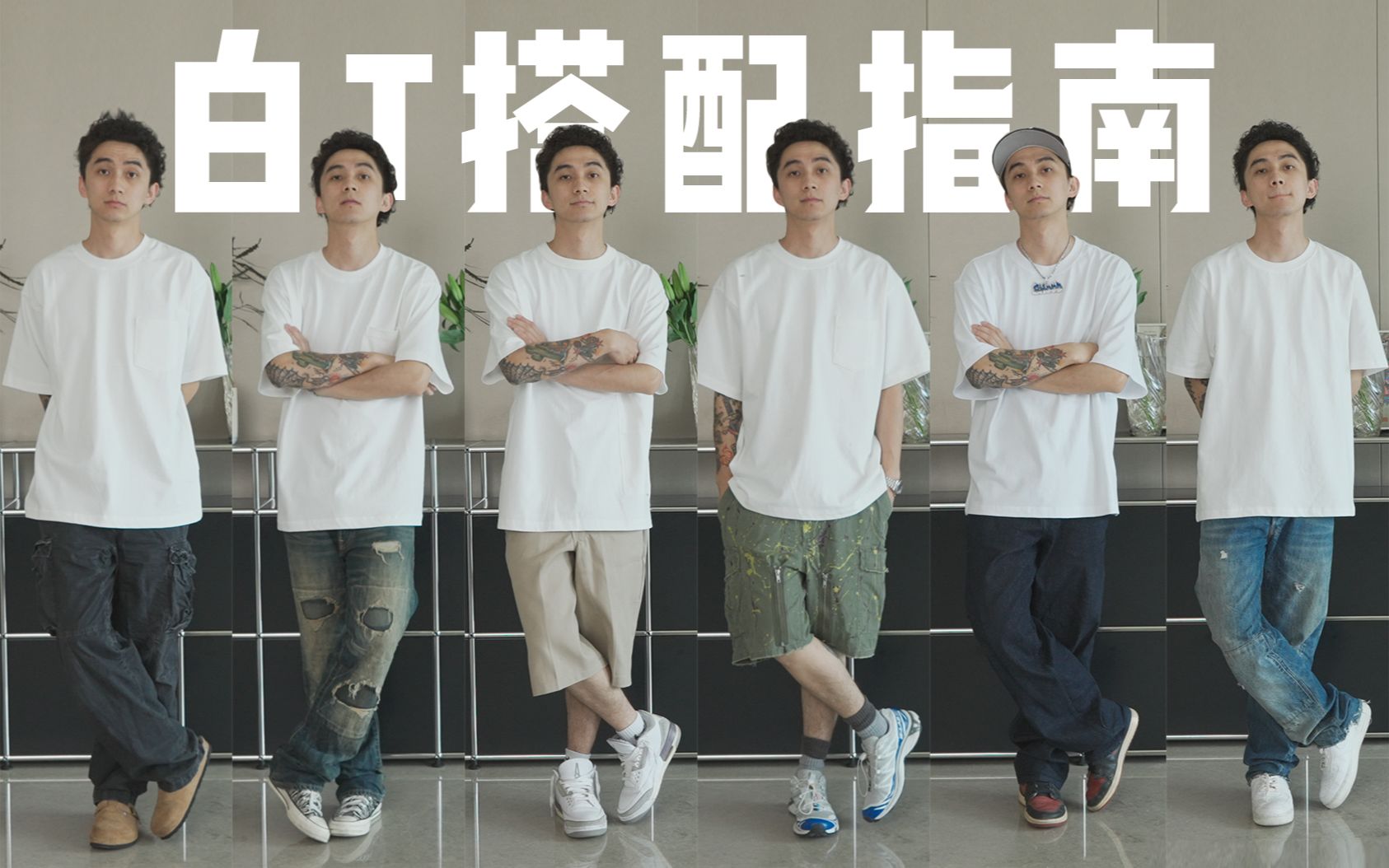
If you mostly wear white tees, blue shirts, pale trousers, cardigans, and sneakers, there is even less reason to buy complex pendants or aggressive chain types. The strongest Chinese youth menswear now uses accessories to complete clothes, not fight them.
9. They need to coexist with silver glasses, caps, bag hardware, and watch clasps
Metal details in men’s outfits are multiplying. Layered necklaces are not isolated objects. They should live smoothly next to silver wire glasses, slim silver rings, cap hardware, and quiet bag details.
10. Real daily layering should survive sweat, commuting, air-conditioned rooms, and frequent use
This trend matters because it belongs inside ordinary life, not just one styled photo. A chain that looks beautiful but is too fragile or annoying to maintain may not be the right first layered set.
Shopping routes
6. What store signals are worth trusting
If you approach this through Chinese e-commerce and platform shopping behavior, the most useful stores are not always the ones with the strongest jewelry mood. Very often, the better ones are the shops willing to show men’s upper-body wearing results clearly: white tees, open shirts, knitwear, and tanks on body; close collarbone shots rather than only hanging product shots; clear explanation of the two chain lengths, clasp construction, surface reflection, skin-tone fit, and neckline relationship. That is because what is really being sold in this trend is upper-body atmosphere, not just metal.
By contrast, shops that only show black-background reflective glamour shots, or still frame everything through older narratives like “street king,” “explosive trend,” or “club style,” usually do not sit inside the most useful direction here. What you want now are sellers fluent in low presence, white-tee compatibility, commuting wearability, academic mood, cleanfit-friendly jewelry, and neckline layering.
More concretely, the store signals worth noticing usually include:
- styling examples built around white tees, open shirts, cardigans, and knit polos;
- clear information on the lengths, widths, materials, and clasp details of both chains;
- real skin-tone and real neck-area try-on images rather than over-retouched close-ups only;
- a wider system of slim rings, eyewear, bracelets, caps, and other subtle detail layers, which suggests the store understands a full youth-menswear accessory language.
7. The outfit formulas where it works best
- Double-layer slim chains + white tee + light denim: one of the safest campus-boy formulas right now. The necklaces stop the neckline from feeling empty while the denim and sneakers keep the whole look grounded in real life.
- Double-layer slim chains + open striped shirt + khaki trousers: especially useful for lighter Korean casual, library-core, and cream-tone cleanfit styling. The layered chains turn the open collar from accidental into intentional breathing space.
- Double-layer slim chains + knit polo + straight trousers: good for a slightly more polished route. Here the necklaces should stay quiet. Their job is only to stop the upper body from becoming too proper.
- Double-layer slim chains + cardigan + white tank: a very natural softboy and campus formula. The cardigan brings softness; the layered chains add one more sharp metallic line inside it.
- Double-layer slim chains + a light outer layer + basic tee: useful for light-commuting and air-conditioned transitions, especially together with a lightweight coach jacket or a sun-shirt style outer layer.
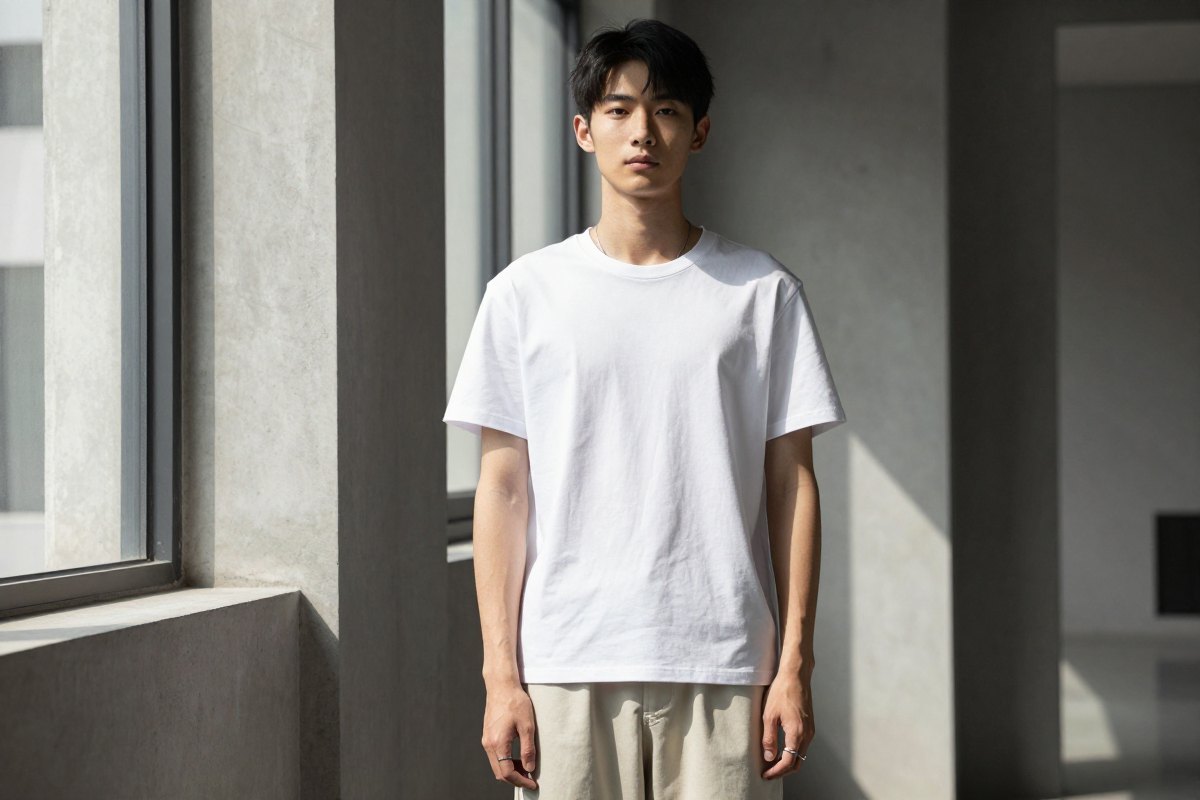
8. Who should add this now
- People whose wardrobes already include white tees, shirts, cardigans, polos, jeans, and straight trousers, but whose upper body still feels one layer short.
- People already comfortable with one slim chain who want to push completion a little further without jumping into heavy chains or loud jewelry.
- People building campus-boy, cleanfit, light Korean casual, or soft academic outfits who do not want detail to break the cleanliness.
- People who need one light accessory system that still works for daily commuting, classes, photos, and casual social life.
The reason light layered slim necklaces are taking over men’s upper-body finish in 2026 is not only that they look more fashionable. It is that they solve exactly what current Chinese youth menswear most needs: not another giant statement, but one more layer of believable, light, long-term order near the face and collarbone.
If you only want to go one step further in neck accessories this season, the smarter move is to begin with a double-layer but minimalist setup rather than jumping straight into heavier chains. Really good layering does not make people notice the jewelry first. It makes them notice that your upper body finally looks complete.
Read next: why slim silver chains are back in the center of men’s dressing, why slim silver rings are taking over men’s accessory energy, why silver wire glasses are moving back into the center of cleanfit and academic styling, why knit polos are becoming smarter buys, and why the light-commuter cleanfit wardrobe is taking over the stable zone.
Source pattern: this feature is based on recent publicly visible Chinese-internet trend signals and title patterns, including Xiaohongshu headline language around men’s double-layer necklaces, collarbone-chain layering, white-tee necklaces, and shirt-neckline detail; Douyin and short-video discussion around campus-boy accessories, necklace length, light jewelry, and layering without exaggeration; Bilibili search-style questions around men’s necklace entry routes, how to layer without looking tacky, and how basics gain neck structure; and Taobao / Tmall product language bundling slim chains, double layers, titanium steel, stainless steel, minimalism, collarbone chains, light layering, and everyday wear together.