Tennis Caps Are Taking Over Spring-Summer 2026 Campus Menswear
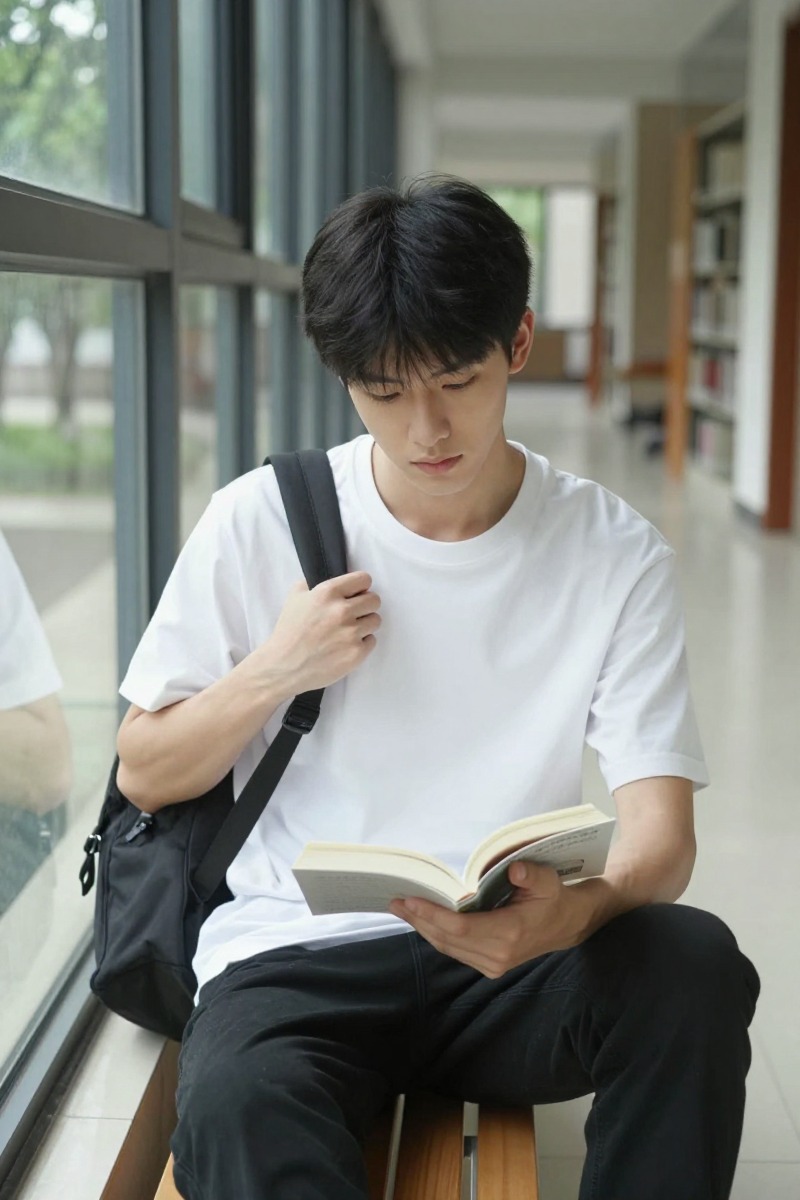
If you put recent Chinese-internet content around menswear, campus dressing, sports-ground daily style, college-boy outfits, cleanfit, and light athletic mood side by side, one specific shift becomes clear. Hats have not gone away, but people are no longer only reaching for the generic baseball cap. More and more content titles, product naming, and shopping discussions are clustering around tennis caps, academic curved-brim caps, white caps, embroidered letter hats, courtside commute hats, and sporty campus hats.
This category matters now not because the phrase “tennis cap” suddenly appeared out of nowhere, but because it lands perfectly inside one of the most stable Chinese menswear lines of spring and summer 2026: cleaner silhouettes, more believable real-life outfits, lighter sports references, and a more academic upper-body structure without becoming old-fashioned. For years, many men wore caps mainly for sun protection, bad-hair-day rescue, or as a habitual final accessory. The current rise of tennis caps feels different. It suggests that people increasingly understand that some hats do more than serve a function — they determine whether an outfit reads as campus, commute, courtside, or simply unfinished.
That is where the tennis cap gets interesting. It does not carry the strong streetwear position of a flatter cap. It does not speak the heavy functional language of outdoor gear. And it does not tell as much obvious vintage story as a heavily washed baseball cap. What it gives instead is a cleaner kind of order: fresh, light, disciplined, but not stiff. That is exactly the point now worth buying into.
1. Why tennis caps feel especially right now
At least three background shifts are pushing this rise at the same time.
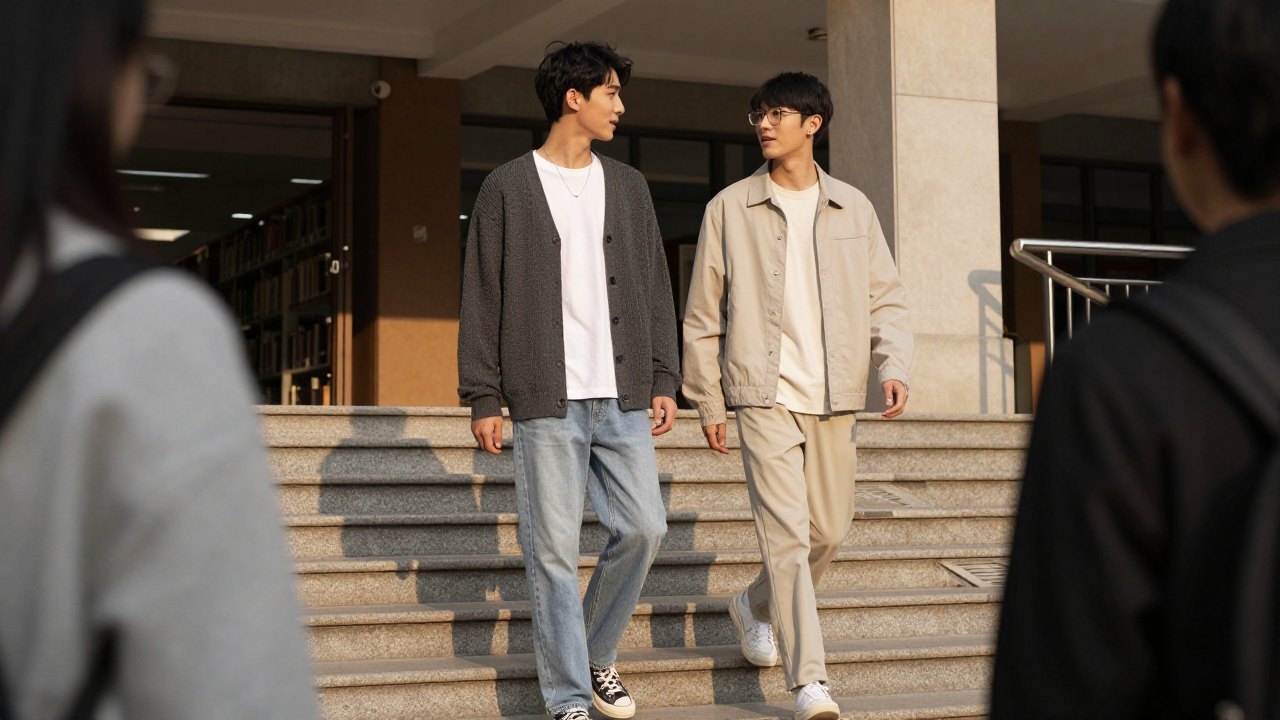
The first is that tennis-inspired dressing and campus sport mood are both warming up. On Bilibili, short-video platforms, and e-commerce pages, there is more language around tennis style, academic sport, courtside commute, white polos, pleated-short energy, knit cardigans, and lighter athletic campus dressing. Even when content is not strictly about “tennis outfits,” it often borrows the same emotional code: white, navy, deep green, cream, light grey, clean lines, relaxed proportions, and a sense of order without overdone streetwear energy.
The second is that youth menswear on the Chinese internet now cares much more about whether something looks like a real person would actually leave the house this way. The most stable styling content is no longer built only on complexity or brand stacking. It focuses more on real settings: campus, commuting, dates, libraries, coffee runs, and light exercise. The tennis cap belongs exactly to that kind of setting-driven styling. It feels more directional than a generic sports cap, but more wearable than a fashion-only hat.
The third is the visible shift in e-commerce naming language. Hat listings are no longer sold only with phrases like “face-slimming,” “sun-blocking,” or “easy to match.” They now increasingly use words like academic, courtside, embroidered letters, white curved brim, cotton texture, low saturation, light sport, college-boy, and clean feeling. Sellers do not move to that language unless they are seeing real buying behavior behind it.
Chinese-internet signals behind the trend
2. How a tennis cap differs from an ordinary baseball cap
At first glance, it can look like only a cleaner or lighter-colored baseball cap. Structurally they are close, but in styling they do different work.
An ordinary baseball cap is a broad category. It can be washed, vintage, sporty, fan-coded, streetwear, or just a neutral everyday cap. That makes it versatile, but also more diffuse. It does not always push an outfit toward a clearly readable direction.
A tennis cap is more about order and lightness. It is usually cleaner in surface, lighter in color, more restrained in graphics, and less dependent on heavy wash effects. The mood leans more toward academic, light-sport, library, campus, courtside, and summer cleanfit dressing. Once it enters the outfit, the whole silhouette more naturally slides into those lanes.
In other words, the baseball cap is a general cap category. The tennis cap is a general cap category with stronger direction. That is exactly why it matters now. Chinese youth menswear currently needs details that feel more specific than a pure basic, but still easy enough to wear every day.
3. What it really fixes: not just sun, but upper-body order
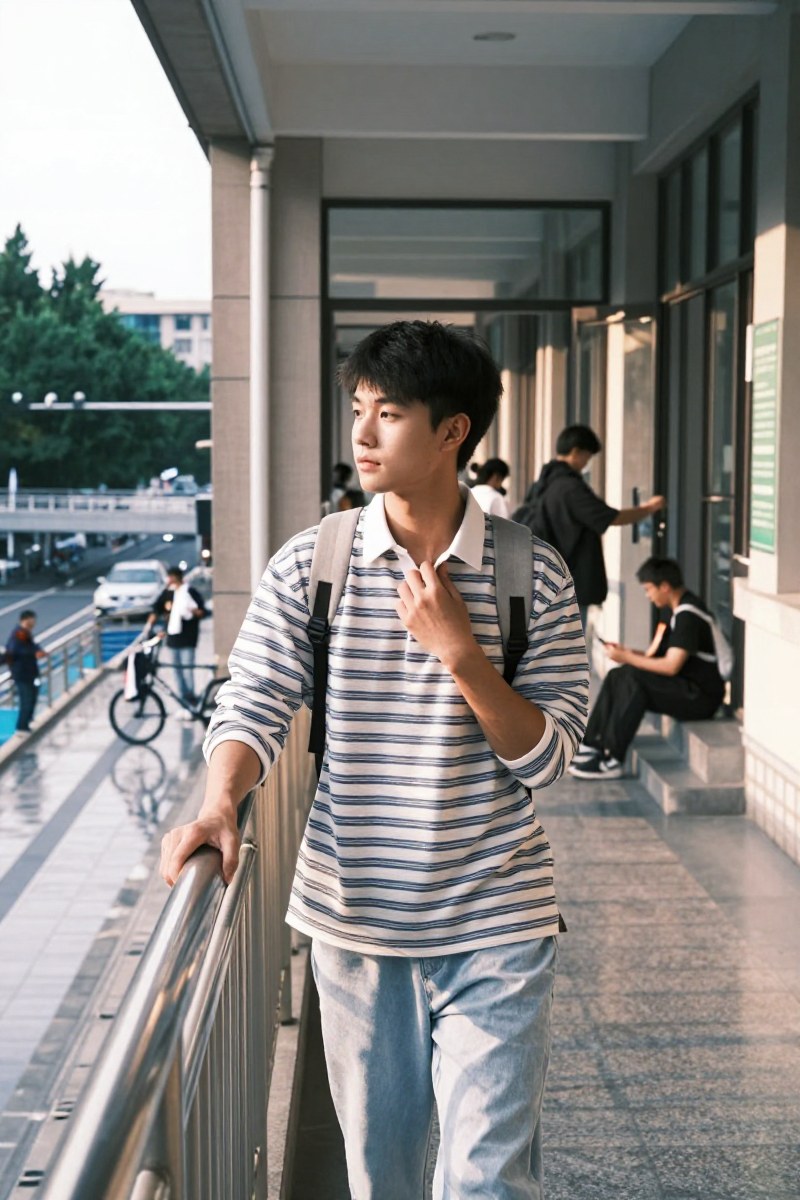
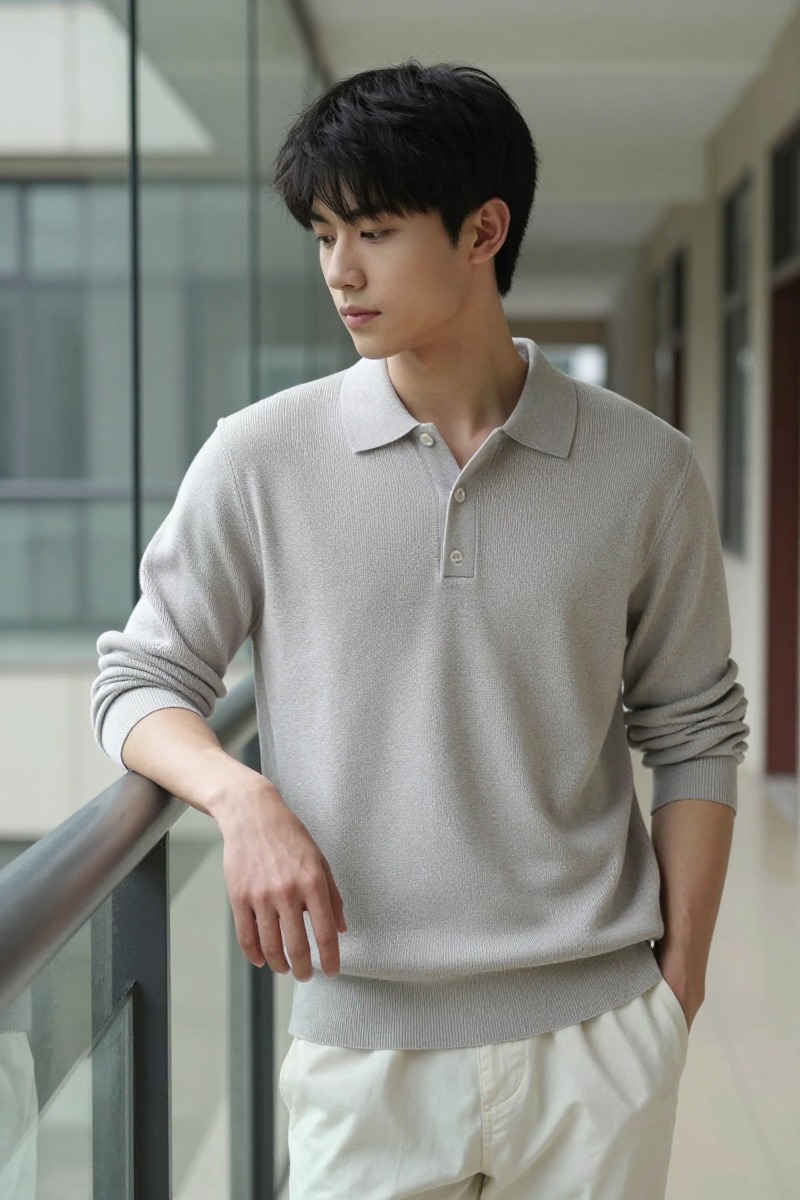
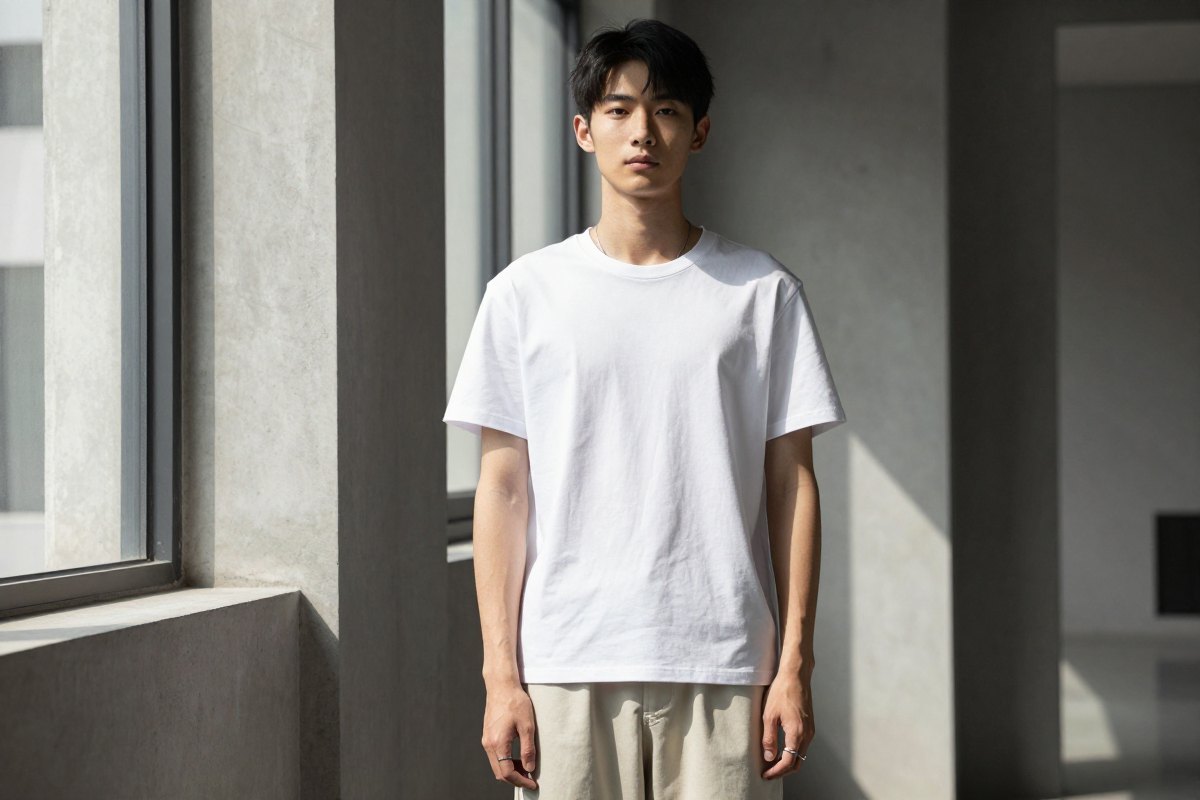
A lot of men do not lack clothes. What they lack is a point that quietly organizes the top half of the body. In spring and summer, when tees, polos, short-sleeve shirts, light knits, shorts, and straight trousers all become lighter, the area above the shoulders can easily start to feel visually loose.
The strength of a tennis cap is not that it looks especially loud. It is that it is excellent at organizing upper-body mood. It settles the space above the forehead and the brow line, clarifying the relationship between the collar, shoulder line, and face. Compared with a darker, more heavily washed cap, a tennis cap creates not streetwear aggression but a fresh kind of order — airy, clean, and gently athletic.
That is why it fits so well with campus style, college-boy cleanfit, and softer Korean casual dressing. None of those lanes rely on shouting. They rely on proportion, color, texture, and the overall state of the wearer. A tennis cap does not shatter the image. It pulls those details back into one line.
4. The five tennis-cap directions worth buying first
The best options are not simply caps with the word “tennis” printed on them. What matters more is whether the color, depth, brim shape, lettering, and fabric really support the academic light-sport line.
Shopping directions

5. Eight checks before buying one
1. Start with cap depth, not color
Light-colored caps often fail not because of color, but because the depth is wrong. Too shallow and the cap floats awkwardly. Too deep and it drops over the eyes, turning a clean look heavy. The best depth sits naturally over the forehead without burying the face.
2. The cleaner the white, the more the fabric matters
White, off-white, and cream caps can look very cheap if the fabric is too thin, too glossy, or too synthetic. Slight texture and softer cotton feel are much safer.
3. Embroidery should feel academic, not promotional
The strongest options usually use short lettering, club mood, school-team references, or nearly no text at all. Oversized logos and commercial slogans usually break the whole cap.
4. The brim curve should feel natural
If the brim is too flat, the cap starts leaning toward streetwear. If it is overly curved, the look can start to feel older than intended. The right curve should look like it follows the face naturally.
5. The color should connect to your shoes and tops
If your wardrobe already includes white sneakers, retro runners, canvas shoes, loafers, polos, striped shirts, cardigans, khakis, and denim, then white, off-white, navy, and deep green are the safest cap colors. Bright novelty shades usually become isolated pieces.
6. Do not over-trust “face-slimming” copy
Chinese e-commerce loves that phrase, but the real effect depends on cap depth, crown shape, brim length, and your face structure. Any listing relying only on slogans without clear wear photos should move down your list.
7. The back adjustment affects whether it reads academic or purely sporty
Fabric straps, cleaner buckles, and lower-key closures usually fit the academic light-sport lane better. Chunkier plastic hardware and more technical straps pull the cap toward gear language.
8. Scene photography matters
If the listing is only shot on a white background, it is hard to know whether the cap is truly a styling piece or just a hat product. The best shops usually show it in everyday outdoor, campus, or courtside environments.
6. The outfit formulas where it works best
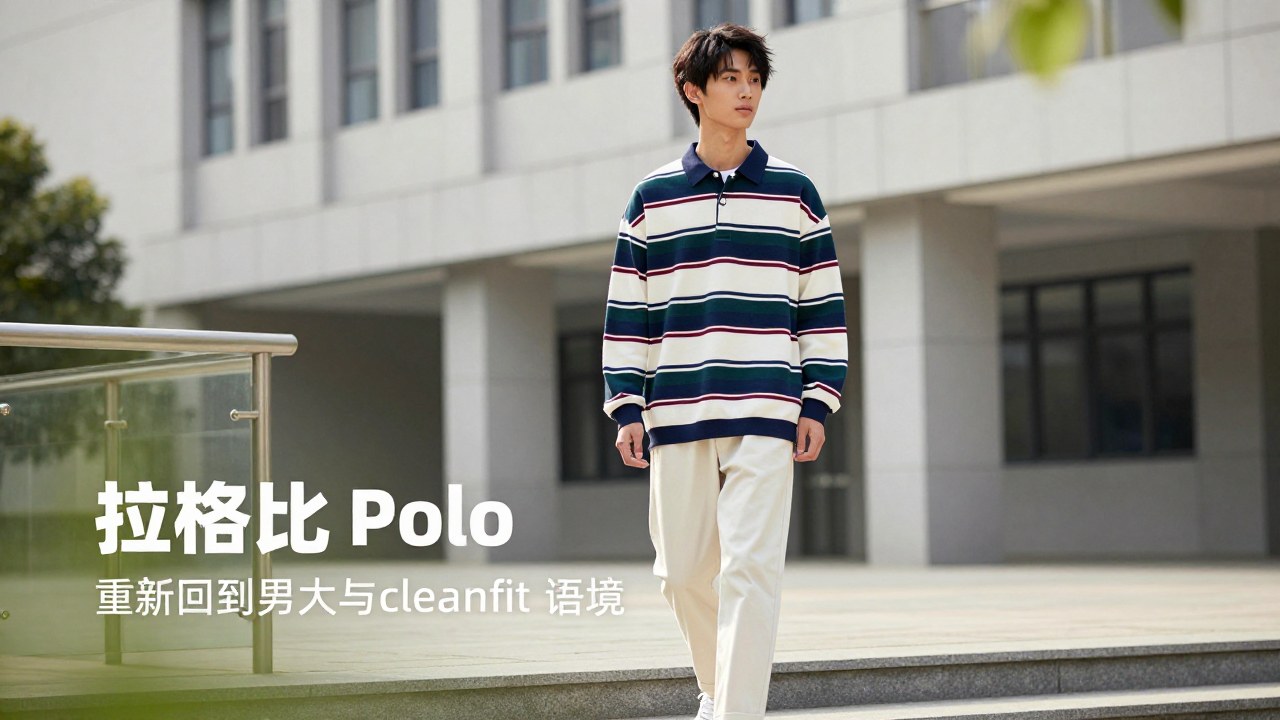
- Tennis cap + white polo + khaki straight trousers: the cleanest academic sport formula. The cap links the face and upper body, while the polo fixes the look in a clean-but-not-stiff lane.
- Tennis cap + blue striped shirt + denim: ideal for libraries, coffee shops, dates, and everyday commuting. The cap softens the seriousness of the shirt just enough.
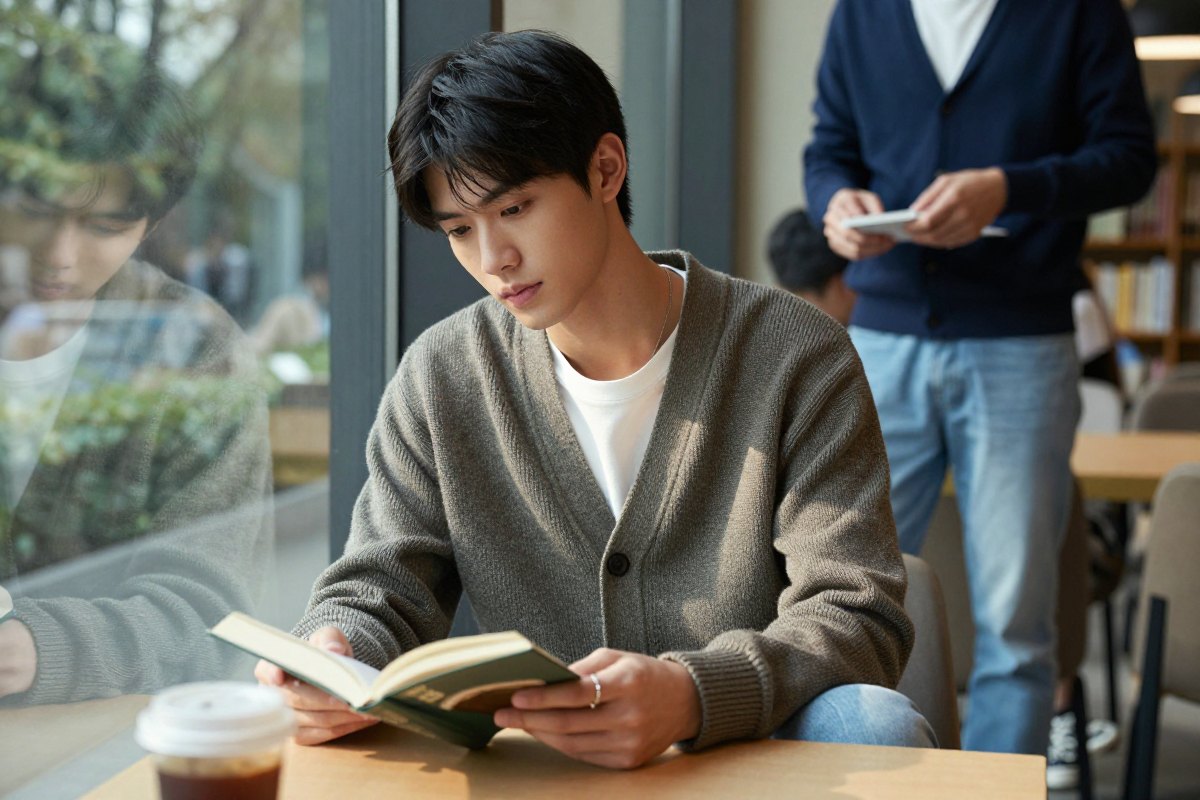
- Tennis cap + knit cardigan + white tee + shorts: especially strong for softboy and warmer campus style. The key is that everything stays light in color and weight.
- Tennis cap + knit polo + straight trousers: a cleaner route for light mature campus dressing. Good for readers who do not want to look too student-coded, but also not too businesslike.
- Tennis cap + hoodie + sport shorts or easy wide trousers: closer to courtside commuting and early-class styling. It adds order to basic sportswear instead of leaving it loose.
7. The shopping path worth using first
For this category, the most effective route is still to move between Chinese content platforms and Chinese e-commerce. First see how people actually style the cap. Then return to listings and verify cap depth, embroidery, scene photography, and overall fit.
- Content observation: Xiaohongshu- and Bilibili-style searches around tennis-inspired menswear, academic hats for men, college-boy cleanfit caps, white caps in outfits, and polo-plus-cap styling.
- Product search: Taobao searches for men’s tennis caps, academic hats for men, white curved-brim caps, embroidered letter hats, and courtside commute caps.
- Judgment order: start with on-head effect, then read the copy; start with shape and photos, then check the brand; start with whether it can enter your wardrobe, not whether it sounds trendier.
The best shops are usually not the ones shooting the most polished campaign images. They are the ones that can clearly show whether a cap reads more campus, more courtside, or more everyday, and prove it with believable wear photos.
8. Why this may be the smartest cap buy of spring-summer 2026
The real strength of the tennis cap is not novelty. It is how precisely it lands on what Chinese youth menswear currently wants most: cleanliness, believability, a hint of sport order, academic feeling, and very little effort required to explain it.
It has more styling intelligence than a pure sports cap, feels fresher than a street-heavy baseball cap, looks more natural than an overforced “old money” cap, and suits the lighter, brighter wardrobes of spring-summer 2026 better than heavier washed hats. For many readers, it will not be the most theatrical cap of the season. But it may be the highest-return cap of the season, because it actually enters daily life, works repeatedly, and pushes the wearer from merely dressed to genuinely in shape.
So the rise of the tennis cap is not just a side effect of tennis-core styling. It feels more like Chinese youth menswear finding a lighter, steadier, more believable solution for the upper half of the body — one that happens to hold academic mood, courtside atmosphere, and cleanfit daily life together extremely well.
Read next: Why college-boy style has become a stable youth menswear language again, Why knit polos are becoming a smarter buy again, Why rugby polos are back at the center of campus cleanfit, and Why washed baseball caps still deliver high return in spring and summer
Source pattern: Chinese-platform content titles and styling videos around tennis-inspired menswear, academic hats for men, college-boy spring outfits, and how to choose caps; Chinese search-result clustering around courtside commuting, academic feeling, white curved-brim caps, embroidered letter hats, and light-sport caps; plus Taobao product naming that repeatedly leans on tennis caps, academic mood, white caps, curved brims, college-boy styling, commuting, embroidered letters, and low-saturation color stories.