High-stretch training shorts and compression shorts are becoming the fixed layer of athlete-coded youth style
If you have been watching Chinese internet sports content, campus-athlete styling, basketball fits, gym routines, and youth training vlogs over the past two years, one thing appears again and again: high-stretch training shorts, compression shorts, and tight inner sport layers are no longer just technical gear. They have become a stable visual structure in their own right.
They work because they sit exactly at the intersection of function, body awareness, and youthful sports-coded realism. They do not just say “this person likes sports.” They say this person actually trains, runs, sweats, stretches, jumps, and belongs to a real athletic setting. Compared with looser casual shorts, compression-based training bottoms make the body feel more present inside the image.
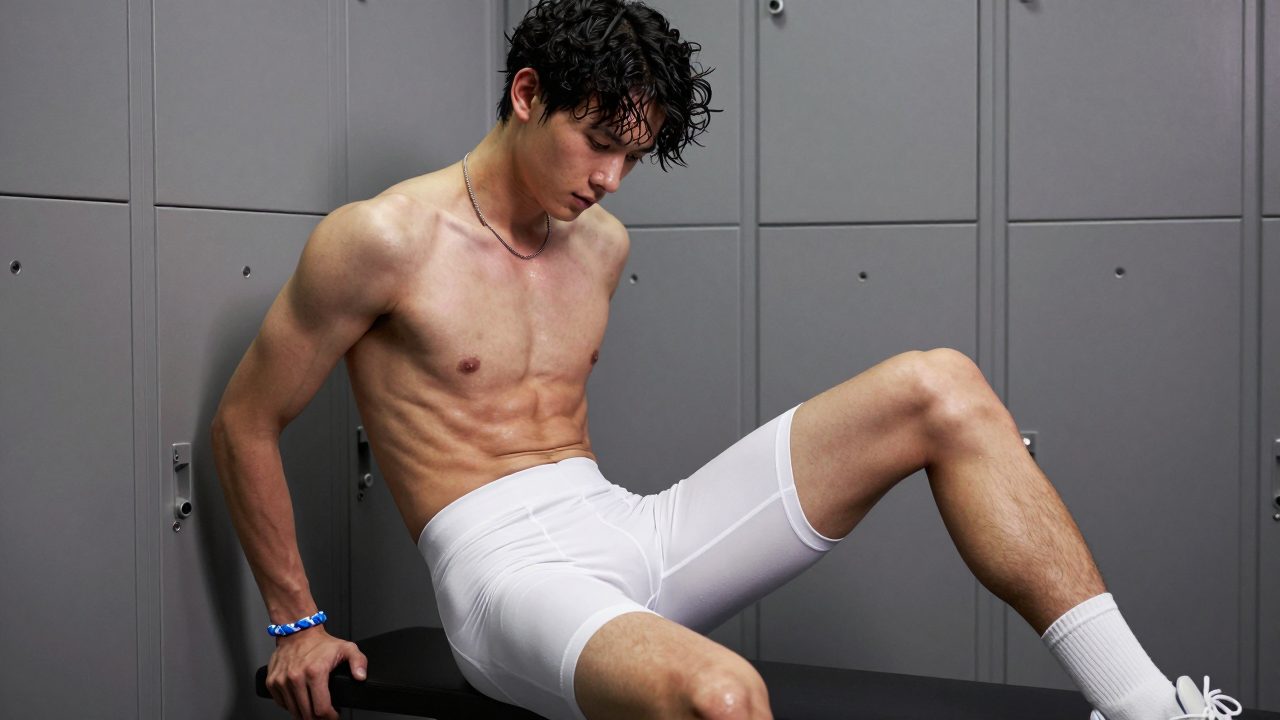
1. High-stretch training shorts, compression shorts, and outer sports shorts are not the same thing
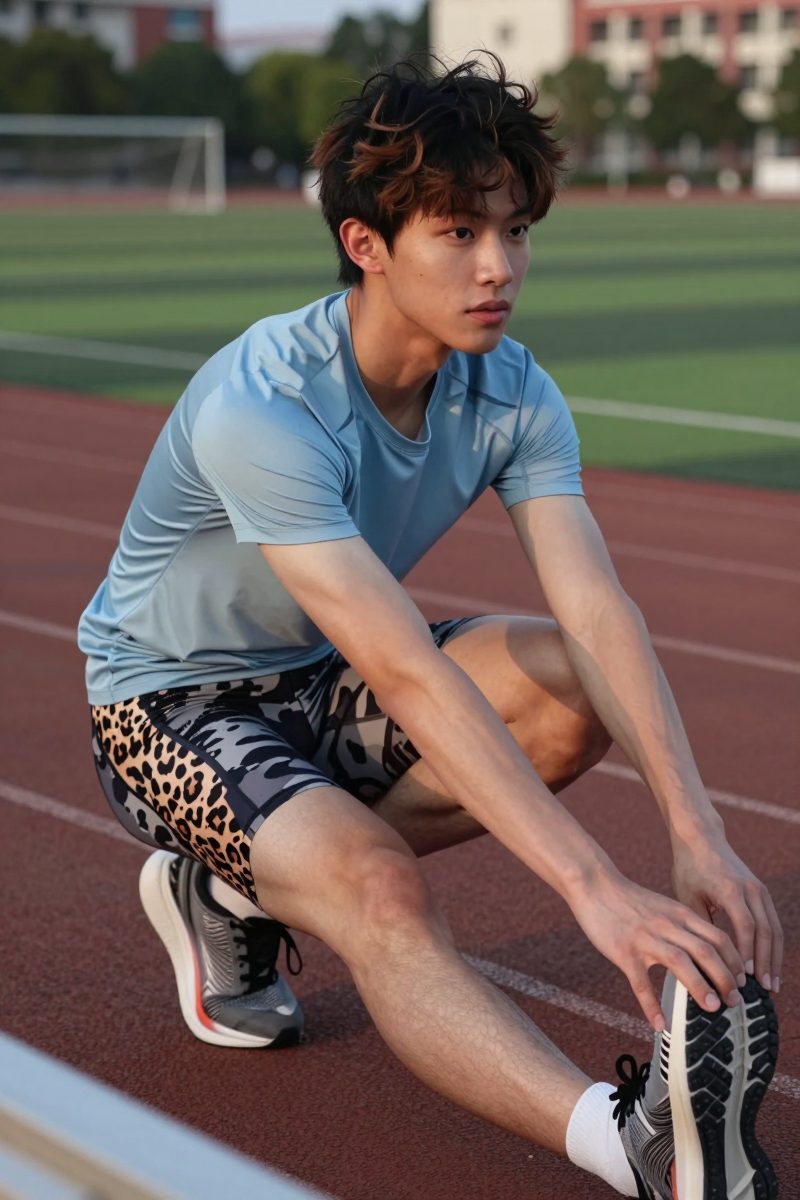
Chinese internet fashion and sports talk often blends these terms together, but they are not identical.
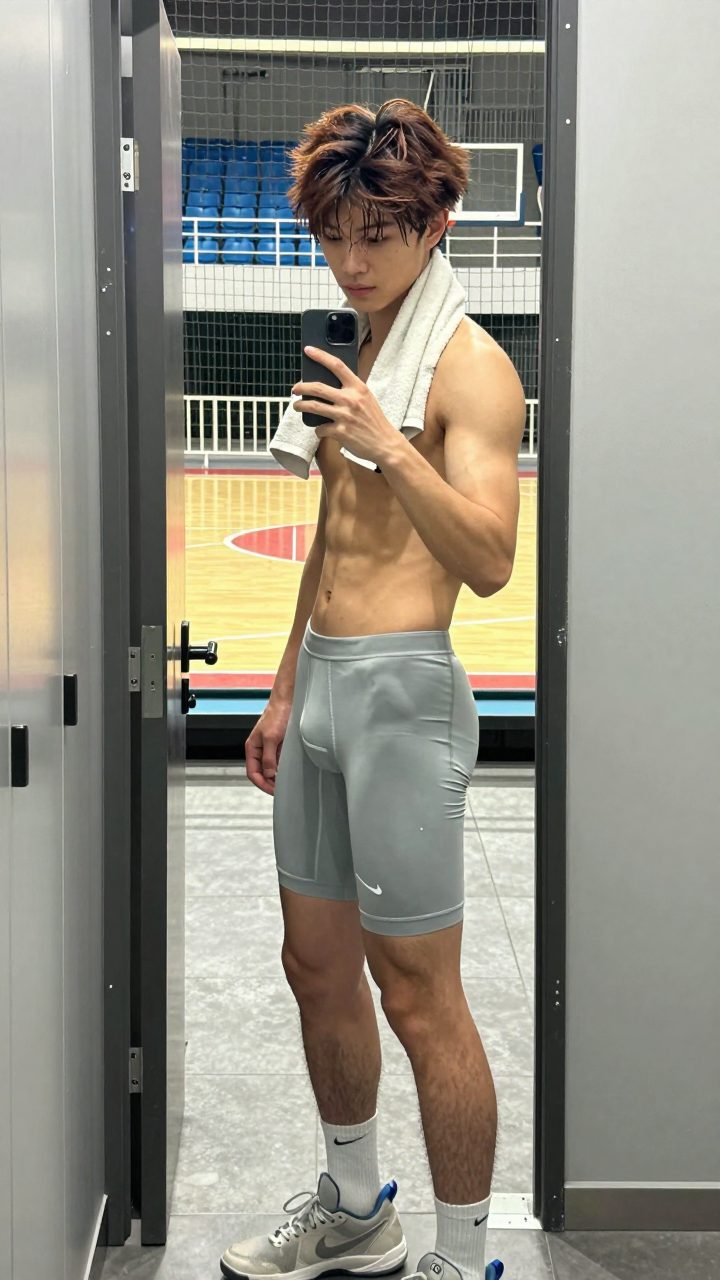
- Compression shorts: close to the leg, strongly elastic, clearly body-following, focused on support and fit.
- High-stretch training shorts: sometimes slightly less tight than compression shorts, but still built around movement, quick-dry fabric, and body-aware structure.
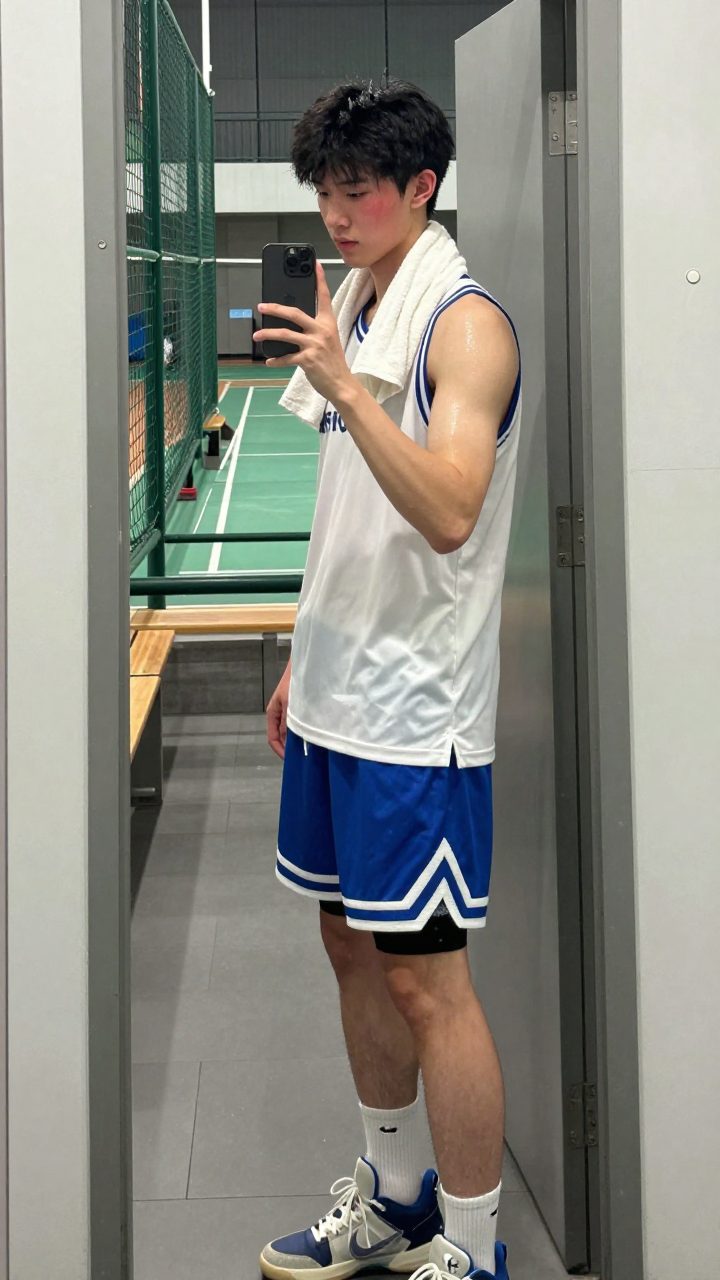
- Outer sports shorts layered over compression shorts: the most common current formula, especially in campus-athlete and basketball styling.
For many readers, the real target is not a single tight short on its own, but the double-layer look: a looser outer short with a visible compression base underneath. That combination feels both more believable and more useful.
2. Why this layer became so stable in athlete-coded campus style
First, it immediately makes movement believable. Jerseys, training tees, tanks, long socks, running shoes, basketball shoes, gym bags, and a compression base all push the image toward actual athletic use. It becomes easy to imagine warm-ups, sprints, stretching, lifting, court breaks, and post-training recovery.
Second, this layer makes leg proportion and effort visible. A lot of sports appeal in youth menswear does not come from oversized muscles or bodybuilding aesthetics. It comes from thighs in motion, knees, calves, quad tension, the line above the knee, and the sense that the lower body is actually doing work.
Third, it matches the current Chinese-internet preference for youth, motion, and real physical presence. The point is not to look like a commercial fitness poster. The point is to look like a real basketball player, a campus runner, a training-focused college boy, or a gym regular with a believable body-and-sport relationship.
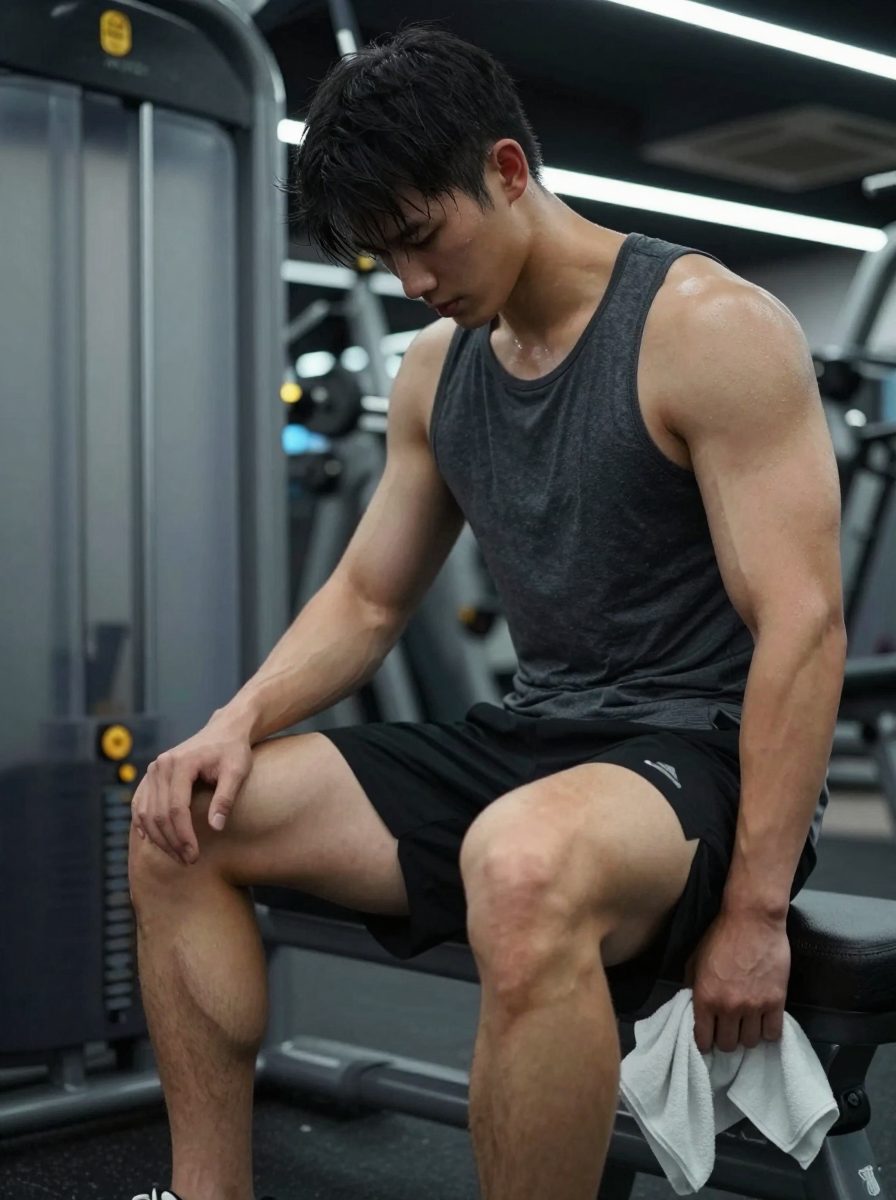
3. Where it works best, and where it does not
This kind of piece works best in very clear contexts:
- basketball practice and court-side recovery
- running, sprint work, and track warm-ups
- leg day and functional training in the gym
- school-team sessions, PE, and campus sports clubs
- the transition between dorm, sports hall, court, and evening campus movement
It works far less well when stripped out of its logic and forced into completely normal city casual dressing. In other words, these shorts are strongest when they remain training-coded.
4. The point is not “as tight as possible”
A common mistake is assuming that tighter automatically means better. It does not. A better version is:
- close, but not awkwardly over-revealing
- short enough to support leg proportion, but not so short that it turns into pure social-media bait
- well-balanced if layered, so the inner and outer lengths actually relate to each other
The most convincing result is not “maximum sexiness.” It is a readable relationship between body, movement, athletic identity, and clothing structure.
5. Color: black is still the safest, grey and navy feel most like real training gear
For a first pair, black remains the easiest answer. It works with jerseys, white tees, grey tanks, dark training tops, zip hoodies, and almost every common sneaker setup. Grey, charcoal, and deep navy also feel very strong because they read more like real training equipment.
Bright colors, neon accents, and louder contrast can work, but they instantly shift attention toward the garment itself. If the goal is campus-athlete realism, youth movement, and believable training energy, darker neutral tones are usually better.
6. The most dependable formulas
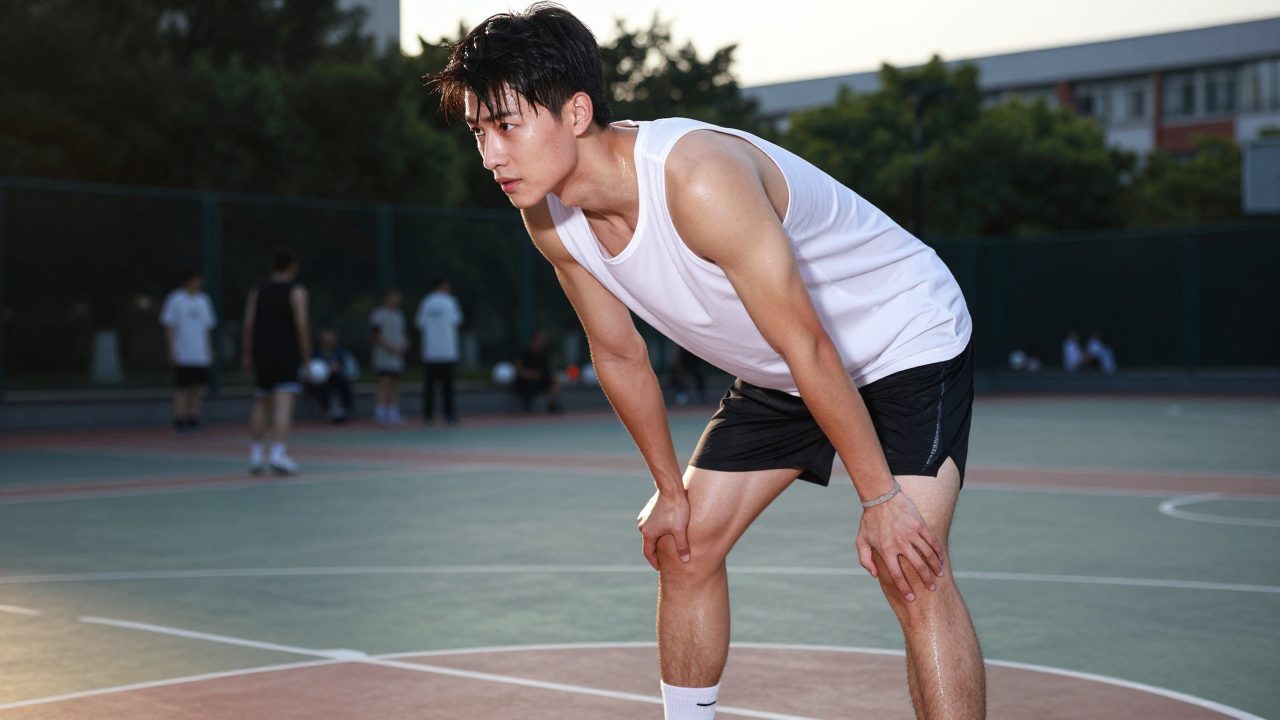
- Compression shorts + loose jersey + long socks + basketball shoes: the clearest court-coded athlete formula.
- High-stretch training shorts + tank or training tee + running shoes: ideal for track work, gym warm-ups, and functional training.
- Outer shorts + inner compression layer + zip hoodie: especially good for campus evenings and transitions between training and daily movement.
- Compression shorts + white tee + sports bag: more casual, but only when the setting still supports a sports-coded reading.
All of these formulas point to the same truth: the value of compression-based shorts lies less in “fashion novelty” and more in how they make the body believable inside motion.
7. What to check before buying
Buying checklist
8. The biggest mistake is buying them as a “thirst item” instead of a training layer
These shorts naturally carry some body tension and visual charge, but once they are treated mainly as an “attention piece,” the results usually get worse. The better reading is always: first they are training layers, then they become body amplifiers.
That means the best image is not a forced mirror pose. It is post-run breathing, court-side sitting, stretching, lifting, or walking out of the sports hall after training. The attraction comes from movement and physical logic, not from detached display.
Continue with: why college-boy style became such a stable youth-menswear language, why knit polos are rising again, and why washed caps still work so well in campus-sports styling