Fisherman sandals shop radar 2026: why leather sandals are taking over the final step in campus-boy, cleanfit, and light-commuter summer dressing
If you break down the latest round of Chinese-internet youth-menswear discussion carefully, one change starts to stand out. People are still talking about German trainers, boat shoes, loafers, thin-soled retro sneakers, knit polos, bermuda shorts, straight trousers, and summer light-commuter dressing. But once the conversation shifts to what to wear on your feet in summer without looking stuffy, childish, or weirdly over-dressed, more and more answers are leaning toward the same direction: leather sandals, especially more complete, more closed-up fisherman sandals.
This shift matters because it is not just a generic “men’s sandals are back” story. Across public Chinese-platform discussion, phrases like “summer shoes for college boys,” “how men can wear sandals without looking off,” “what cleanfit wears in summer besides German trainers,” “how to pair leather sandals with denim or shorts,” and “what kind of sandal works for commuting and weekends” are clearly becoming more common. Bilibili search patterns show continued interest around men’s sandals and summer shoe alternatives, while Chinese e-commerce naming keeps clustering around genuine leather, closed toe, Roman sandals, fisherman sandals, retro, academy, Korean, Japanese, commuter, thick sole but not bulky, thin sole, soft leather, backless convertible, two-way wear. There is a lot of low-quality product noise mixed in, of course, but the market signal itself is very clear: leather sandals are no longer a niche style experiment. They are a real buying entry point.
For BoyStyle, that makes this a very good shop-radar topic. Because what is really being discussed is not just a single shoe type. It is a bigger question: once a young man already has the white tee, knit top, short-sleeve shirt, straight trousers, bermuda shorts, canvas bag, and basic accessories, what should go on his feet to push the outfit from merely “fresh” into “complete,” without pushing it into businesswear or tourist mode? For a long time, a lot of people handed that role to German trainers, flat sneakers, white sneakers, or slides. In the 2026 Chinese-internet mood, though, the role is increasingly being taken over by well-made leather sandals.
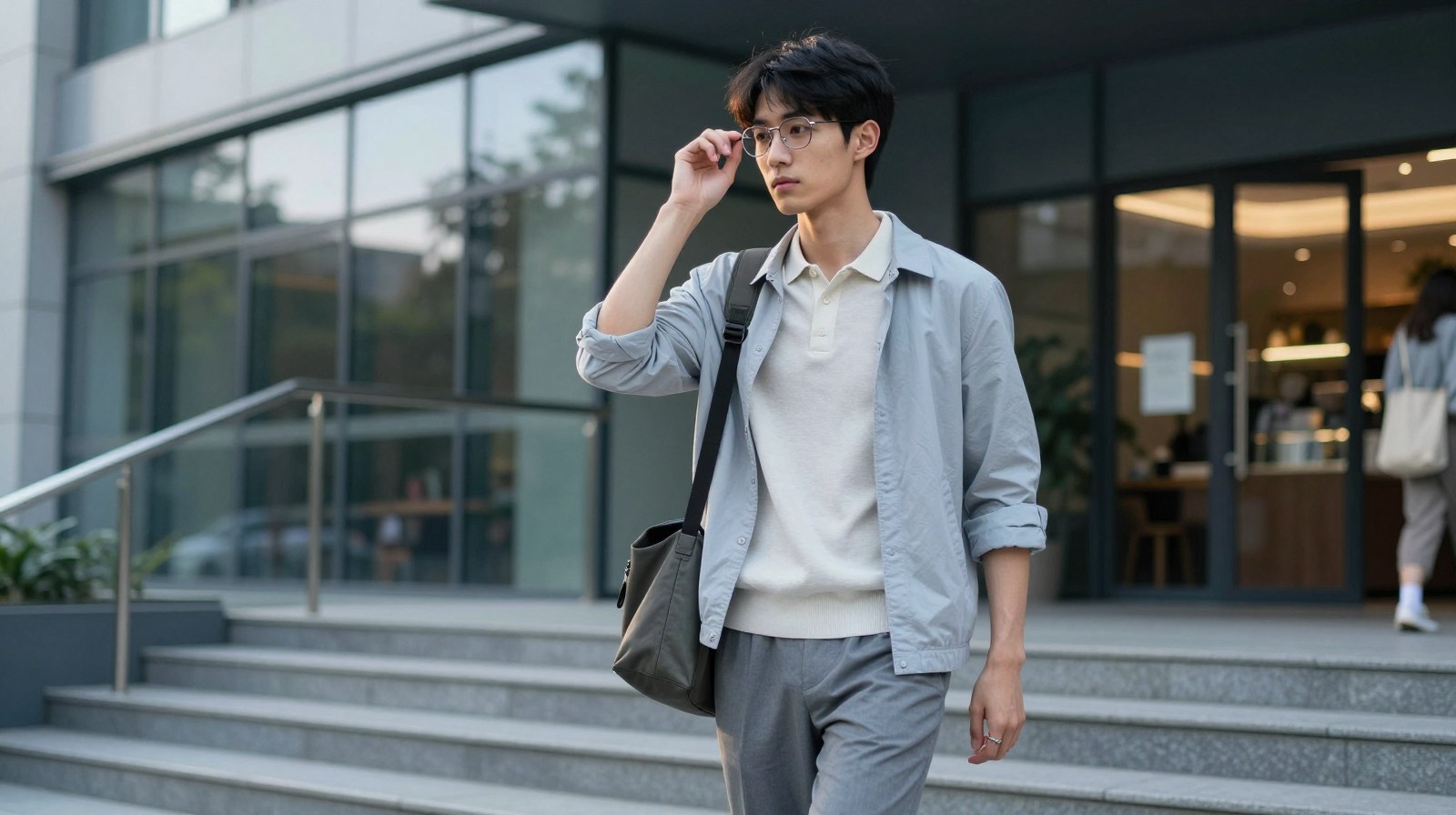
1. Why leather sandals are moving back into the center of Chinese-platform menswear now
Start with the discussion itself. One very clear signal in current Chinese-platform summer footwear talk is that people are getting tired of the permanent “just wear German trainers” answer. It is not that those shoes stopped working. It is that they have started feeling too default. Especially in cleanfit, campus-boy, light commuter, and light Korean-casual dressing, more people are looking for the next shoe that still feels clean, but gives more finishing than sneakers and less heaviness than loafers or formal footwear. Fisherman sandals fit exactly into that gap.
The second signal comes from discussions around how men can wear sandals without looking awkward. For a long time, men’s sandals had a branding problem across Chinese platforms. Once sandals came up, many people immediately pictured bulky outdoor water shoes, old-dad thick-sole sandals, tourist sandals, or hyper-casual slide-like versions. In other words, the problem was never that sandals could not be worn. It was that the default mental image of sandals was too easy to push in the wrong direction. So the thing warming up now is not “sandals” in the broad sense. It is the leather-sandal branch that still reads like a shoe, still connects with trouser hems, and still works with shorts. Closed toes, controlled strap structure, quiet color, and proper leather surface are exactly where fisherman sandals come in.
The third signal comes from e-commerce. On Taobao, Tmall, and Douyin Mall, recent men’s footwear naming around sandals keeps leaning into “closed-toe sandals,” “fisherman sandals,” “Roman sandals,” “genuine leather sandals,” “retro academy sandals,” “commuter sandals,” “convertible heel,” “backless leather sandal,” “Korean closed-toe mule,” “Japanese soft-leather sandal,” and “two-way sandal.” That tells you platforms are no longer mainly framing them as beach shoes. They are actively reframing them as city-daily, campus, casual-commuter, and weekend-compatible footwear. Platform naming is often one of the clearest clues to what is currently selling.
The fourth reason is more practical: this year’s dominant Chinese-platform youth-menswear silhouettes are lighter, looser, and more breathable both above and below the waist. Once the upper half becomes knit polos, white shirts, open-collar short sleeves, light knits, and airy outer layers—and the lower half becomes bermuda shorts, straight denim, linen trousers, and easy slacks—thick sneakers and enclosed casual shoes start to feel visually too heavy. But slippers often pull the whole look too far toward carelessness. Leather sandals sit right in the middle: cooler than full sneakers, more complete than slides, more relaxed than loafers, and quieter than sporty sandals.
Chinese-internet signal patterns behind this topic
2. Why fisherman sandals fit the current BoyStyle mood better than many ordinary sandals
The most important reason is simple: they still look like shoes. That matters a lot. For most young men, the goal in summer is not maximum toe exposure. The goal is usually something closer to this: I want my feet to feel less hot and less heavy, but I do not want to look like I walked out in slides. The strength of fisherman sandals is exactly there. They keep the outline of a shoe, the order of a shoe upper, and the finishing weight of a shoe, so they can connect naturally with hems, socks, shorts, and shirts. Ordinary slides or overly outdoorsy sandals often break that language completely.
The second advantage is range. German trainers and thin-soled retro sneakers are still useful, but they often pull the whole person back toward a sporty or student-coded zone. Fisherman sandals work more like a cross-route middle answer. They can support bermuda shorts, straight denim, light slacks, linen trousers, and even some cleaner relaxed shorts. If the color and toe structure are right, they can serve cleanfit, campus-boy dressing, light Korean casual, light Japanese casual, and light commuting all at once.
The third advantage is controllable maturity. Loafers can definitely provide finish, but loafers sometimes push the wearer suddenly toward a more mature, more academy-coded, or more preppy direction. Sneakers can stay too casual. Fisherman sandals, if you avoid versions that are too thick, too bulky, too metallic, or too stiff, land in a very useful place: they make you look organized without pretending to be older, and they give the lower half structure without turning into formal leather footwear.
They also fit a big Chinese-internet menswear value right now: believable lived-in daily energy. Not beach-lifestyle fantasy. Real life. Class, coffee, shopping mall, grocery stop, train, metro, weekend city walk, meeting friends. For BoyStyle, that kind of reality matters far more than theatricality.
3. The four kinds of stores worth browsing first
As with boat shoes, German trainers, and black derbies, the most effective way to buy leather sandals is not to memorize brand names first. It is to separate store types. Chinese e-commerce “men’s leather sandals” results mix together completely different products: some are middle-aged business substitutes, some are outdoor gear, some are touristy resort shoes, and some are genuinely made for youth daily dressing. You want the last group.
1. Cleanfit basic-footwear stores: best for readers buying their first serious pair of fisherman sandals
If you already wear knit polos, white shirts, straight trousers, easy shorts, nylon bags, German trainers, and boat shoes, the best first stop is the cleanfit basic-footwear store. These stores usually do not rely on loud design. They care more about toe proportion, leather shine level, sole thickness, strap width, and side profile. Their leather sandals tend to feel closer to a quiet urban summer shoe than to an outdoor gear item.
The key value of these stores is that they know what youth menswear leather sandals should avoid. They usually stay away from a few obvious mistake zones: overly thick soles, cartoonishly bulky toe boxes, too much exposed foot, shiny leather, excessive metal hardware, and sole structures that scream trendiness or height increase. In other words, they are not selling the loudest leather sandal. They are selling the one that best connects with trouser hems and shorts.
- Start with dark brown, black, tobacco brown, and deep grey-brown.
- Prefer clear closed-toe shape, stable strap width, and medium-thin soles.
- Prefer stores that style them with polos, shirts, and straight trousers rather than only beach shorts.
If what you want is a first pair that does not feel risky, this store category is the safest entry point.
2. Campus-boy / campus-casual footwear stores: best for shorts, denim, white socks, and backpack dressing
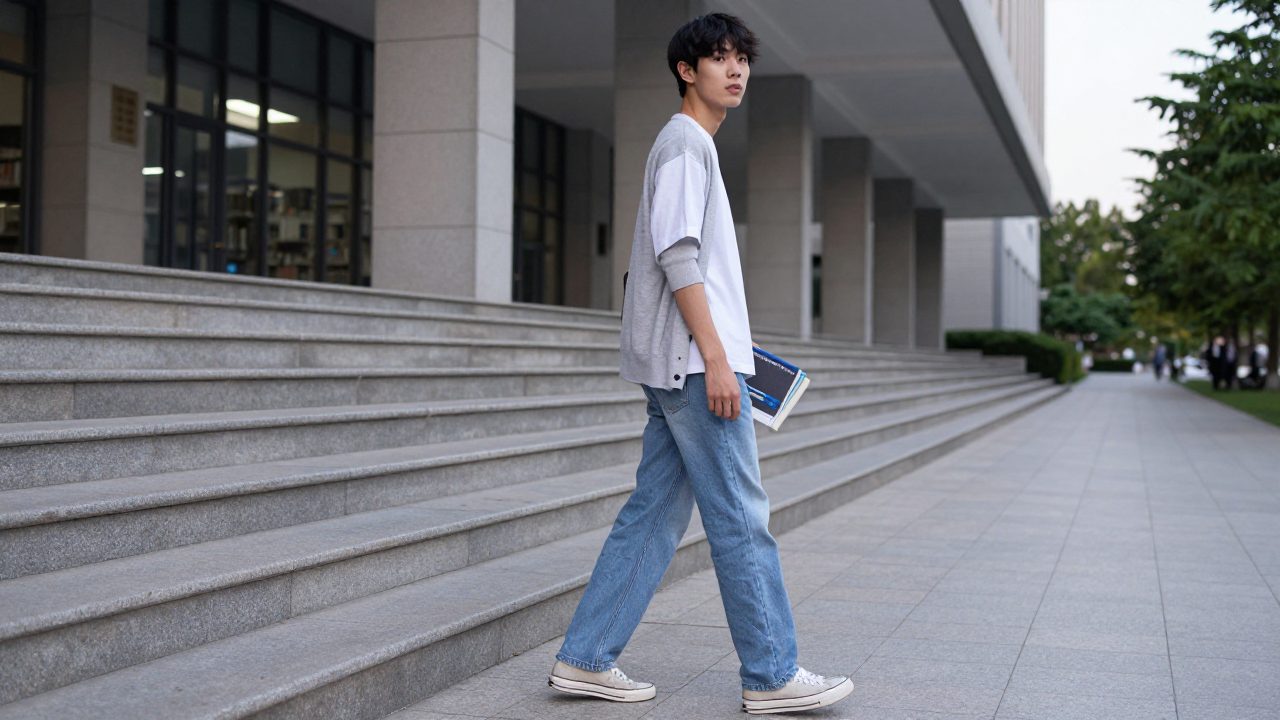
The second category worth following is the campus-boy / campus-casual footwear store. These stores may not always label themselves as “academy” or “campus,” but their models, styling, and item combinations make the direction very obvious: denim, white socks, bermuda shorts, loose shirts, white tees, backpacks, canvas bags, and basic caps. They are not selling leather sandals as middle-aged summer leather shoes. They are selling them as part of a youth daily wardrobe.
What matters most here are versions that can work barefoot or with white socks, can connect with denim and shorts, and do not look too mature or too childlike. Many of the best campus-compatible fisherman sandals are not ultra-delicate. They are slightly structured, slightly shoe-like, slightly academy-adjacent, but still young.
If your daily dressing often looks like any of these, this category is especially useful:
- white tee + light denim + backpack
- striped shirt + bermuda shorts + baseball cap
- knit short sleeve + relaxed shorts + canvas bag
What these stores are really selling is a believable young-man-on-Chinese-internet daily state, not a resort filter.
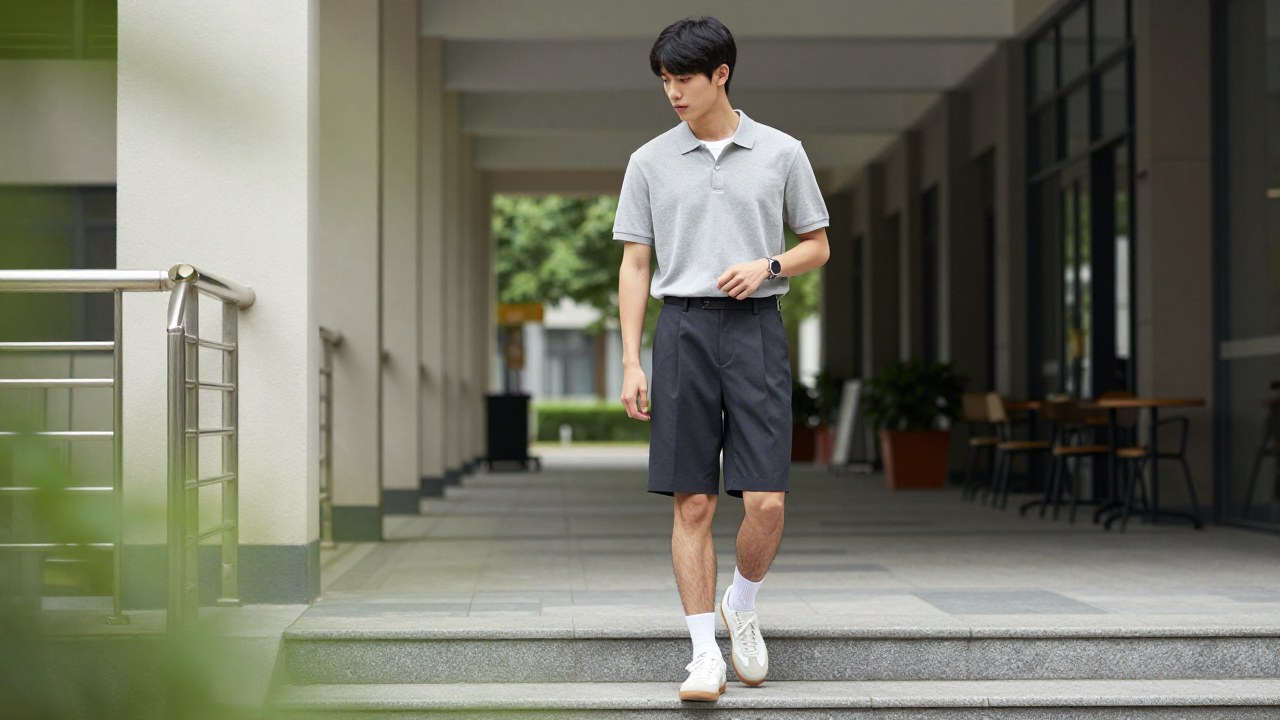
3. Light-commuter mixed-footwear stores: best for knit polos, easy slacks, white shirts, and city daily wear
The third type most worth visiting is the light-commuter mixed-footwear store. These stores often sell not only sandals, but also boat shoes, low-presence loafers, slim leather goods, and cleaner city accessories. Their big strength is simple: they understand how to finish the lower half without aging the wearer.
If your upper half often leans toward knit polos, short-sleeve shirts, white shirts, linen blends, and your lower half leans toward straight trousers, easy slacks, and sharper shorts, these stores usually understand you better than pure campus stores do. Their fisherman sandals tend to care more about leather surface, sole outline, strap density, and the transition from trouser hem into toe shape. They are not selling “you probably need one sandal this summer.” They are selling an urban summer alternative to sneakers.
The best pair in this category is rarely the most fashionable one. It is the one that gets the following details right:
- The sole is not exaggerated. Too much height ruins the crispness of light-commuter dressing.
- The toe is not swollen. Bulky toe shapes stop slacks and straight trousers too abruptly.
- The leather is not shiny. Shine pushes the shoe toward formalwear immediately.
- The straps look intentional. Good fisherman sandals look like a designed upper, not like a foot cage.
If you already dress around pieces like striped knit polos, textured summer tops, straight trousers, and cleaner shorts, leather sandals are one of the smartest next footwear tests.
4. Japanese light-casual / vintage-brown footwear stores: best for softboy wardrobes, denim, off-white trousers, and softer palettes
The last category is the Japanese light-casual / vintage-brown footwear store. These stores usually understand deep brown, tobacco brown, old-wood brown, and grey-brown tones better, and they also understand softer wardrobes better. For softboy, lightly Japanese, and gentler daily dressing, this type can be more useful than all-black cleanfit shoe stores.
What they do well is not making sandals more retro for its own sake. It is making sandals feel more naturally lived-in. You will often see them styled with denim, off-white trousers, pale khaki, blue shirts, knit cardigans, and canvas bags rather than being dropped into generic beach imagery. That matters if you care about real wearable menswear.
Of course, this category also fails easily. The usual mistake points are three:
- the brown turns too red or yellow and starts looking fake-vintage;
- the leather distressing goes too far and looks dirty rather than relaxed;
- the shoe structure gets too flat and too soft and becomes an expensive slipper.
If those mistakes are avoided, though, this route can be excellent for BoyStyle readers with gentler or softer wardrobes.

4. The six leather-sandal directions most worth adding to cart first
Product directions and buying entry points
5. The nine easiest ways to buy the wrong fisherman sandals
1. The sole is too thick
Thick soles can make product images look more fashionable, but for most youth daily dressing they quickly turn the shoe into the main character and make the lower half feel bulky.
2. The toe is too fat
Fisherman sandals need a complete toe shape, but not a safety-shoe toe. Overly fat toe boxes stop trouser hems awkwardly and make the feet look oversized under shorts.
3. The leather is too glossy
High-shine leather pulls the whole shoe straight toward wedding-shoe or business-shoe territory, which clashes with BoyStyle’s lighter youth direction.
4. The straps are too busy
If the strap pattern is too thin, too numerous, or too fragmented, the foot surface gets visually noisy and the shoe stops looking composed.
5. Too much foot is exposed
For most men’s daily wear, the useful answer is not “more exposure means cooler.” It is “just enough exposure while still reading like a shoe.” Too much exposure pushes the shoe toward slipper territory.
6. The brown is fake-vintage
Overly red, orange, or yellow browns often look cheap and also struggle to connect with grey, white, black, and blue youth wardrobes.
7. The styling only works with beach shorts
If a store can only style the sandal with resort shorts and vacation shirts—but not with straight trousers, denim, and knit polos—its value for BoyStyle readers is limited.
8. The model images are only front-facing
The side view matters more than the front view. What you really need to see is sole thickness, hem-to-toe transition, and ankle proportion.
9. Everything is sold through height-increase language
“Height increase,” “big sole,” and “boosted platform” are common product words, but they are often the exact opposite of what you want in youth cleanfit leather sandals.
6. What each style route should choose
- Campus-boy route: choose black or deep-brown versions with medium-thin soles and full but not bulky toes. They can work with white socks, denim, bermuda shorts, and backpacks.
- Cleanfit route: choose low-reflection leather, clean structure, and controlled sole thickness. They work best with straight trousers, white shirts, and knit polos.
- Softboy route: choose softer colors like deep brown, tobacco brown, and grey-brown rather than shoes that look too cold-black or too hard.
- Light-commuter route: choose sandals that still feel like city shoes. Avoid overly outdoorsy sport sandals and overly formal leather-shoe versions.
- High-shorts-use route: focus hard on toe proportion and sole thickness, because shorts expose the whole shoe and magnify every mistake.
These routes look different, but the underlying logic is the same: well-made leather sandals are not really selling coolness. They are selling the idea that your summer lower half no longer feels accidental. They take you from “I switched into something more breathable” to “I finally found a summer shoe that completes the whole look.”
7. BoyStyle’s conclusion on this leather-sandals buying signal
This 2026 Chinese-internet discussion around men’s sandals, leather sandals, closed-toe sandals, and summer shoe alternatives may sound like a simple debate about whether men can wear sandals. But what is really heating the category up is something else: youth menswear is finally taking the finishing quality of the feet seriously. Once the tops and bottoms are already cleaner and lighter, sneakers stop being the only possible answer. And between slides, sporty sandals, loafers, boat shoes, and German trainers, fisherman sandals now occupy a very useful place.
They give you the completion of a shoe and the air of a sandal; they can serve campus-boy dressing and cleanfit at the same time; they can enter light commuting and still work for weekend city walks; they are more organized than slides and more relaxed than loafers. The pairs worth buying are obviously not all leather sandals. They are the versions with controlled soles, non-bulky toes, non-glossy leather, ordered straps, and the ability to work with both trouser hems and shorts.
If you only want to add one pair to your summer shoe rack this year that can genuinely change your daily styling state without feeling too risky, I would very seriously rank fisherman sandals near the front. The key is not buying the thickest or trendiest pair. The key is buying the pair that can actually follow you to class, the mall, the coffee shop, the train, and a weekend walk, while still making sense with white tees, knit polos, short-sleeve shirts, straight trousers, and shorts.
Continue with: 2026 boat shoes shop radar, 2026 German trainer shop radar, How cleaner shorts stop looking accidental, Why striped knit polos are back at the center of campus cleanfit
Chinese-internet source pattern note: this article was built mainly from public Bilibili search-result patterns around “men’s sandals,” “campus-boy sandals,” and “leather sandals summer styling,” plus recurring Chinese e-commerce naming patterns such as closed-toe, fisherman, genuine leather, retro, academy, Korean, Japanese, commuter, convertible heel, two-way wear, soft leather, thick sole, and thin sole. Those signals were then translated into a more practical BoyStyle shopping and selection framework.