Why Men’s Cycling Style and Cycling Kit Are Moving from Pure Gear into One of the Most Body-Driven Branches of Youth Menswear
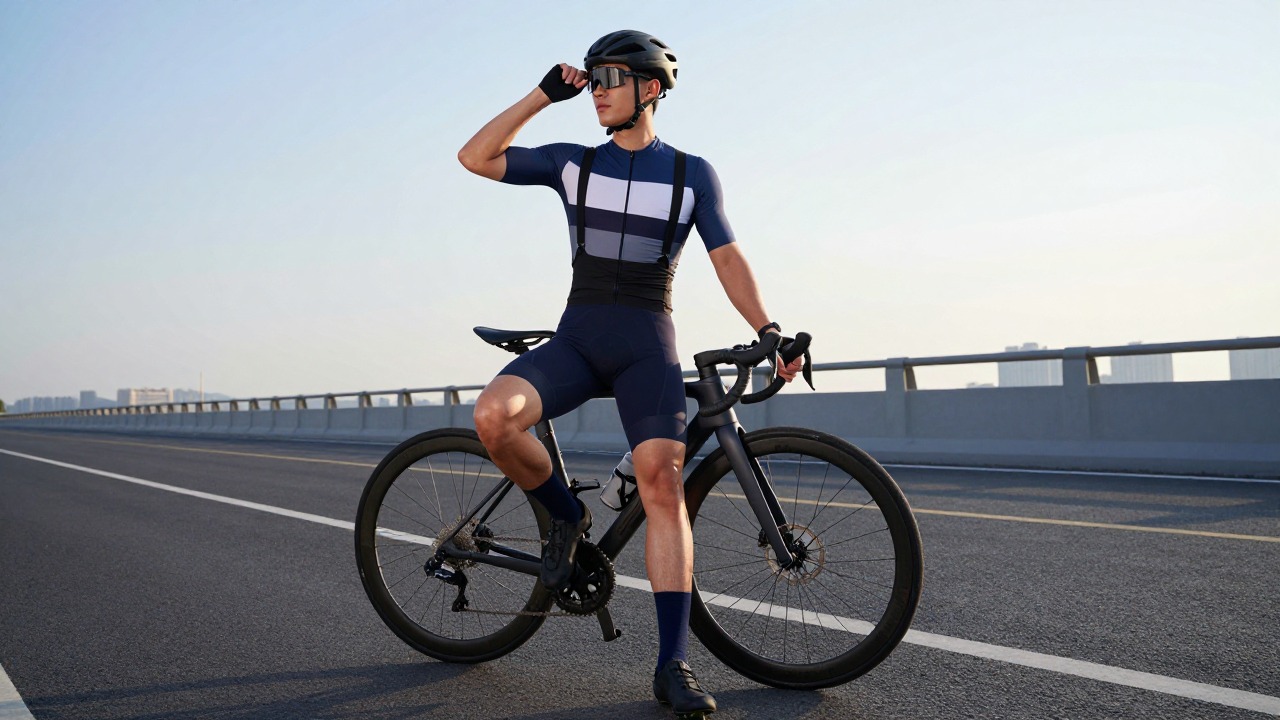
Cycling style has changed a lot in the past few years. Not long ago, many people still reacted to cycling kit as something purely technical: specialist sportswear, too functional, too niche, maybe even too awkward for anyone outside a serious cycling scene. It felt like a small vertical aesthetic that would stay locked inside sports equipment culture rather than entering broader youth menswear. That is no longer really true. As road cycling, city riding, weekend group rides, commuting, and cycling imagery on social media have all become more stable, cycling kit and the wider language built around it have started to move beyond performance gear into a much more visible youth-style system.
The reason is not simply that “more people exercise now.” Cycling happens to bundle together several things that current youth menswear cares about a lot: body state, speed, close silhouette, equipment logic, functional clarity, and a slightly elite athletic lifestyle image. Once those elements combine, cycling style becomes hard to keep inside the sports-gear aisle. It naturally starts to enter broader fashion judgment.
1. Cycling fashion is not just “wearing cycling clothes”
The first thing to separate is this: cycling fashion is not just a man wearing a jersey. And not everyone in a tight top and cycling shorts automatically has cycling style. What really makes cycling fashion work is a whole visual and lifestyle language built around the act of riding. It usually includes at least these layers:
- Functional clothing: jerseys, bib shorts, wind jackets, base layers, arm warmers, leg warmers, and related pieces.
- Equipment: helmets, cycling glasses, gloves, clip-in shoes, socks, bottles, bike computers, and bags.
- The body: shoulders, back, arms, waist, hips, legs, and riding posture itself.
- The setting: early-morning training rides, city roads, café stops, climbs, riverside paths, and weekend group sessions.
- The image logic: speed, wind resistance, sweat, close fit, bent posture, machine detail, and post-ride recovery states.
That is why cycling fashion becomes attractive. It is not simply “technical clothing.” It is a complete male image system in which clothing, body, machine, and action all hold each other up.
2. Why cycling style enters youth menswear so naturally
Cycling style is moving out of pure sport because it already fits several lines that matter more and more in youth menswear. The first is body presence. Many sportswear categories imply athletic identity, but do not actually make the body legible in a clear way. Cycling kit does the opposite. It writes shoulders, back, ribcage, waist, hips, quads, calves, and posture very directly on the outside of the body.
The second is functional elite energy. Cycling is not read like ordinary casual sport. Its equipment logic is unusually complete, and it easily suggests seriousness, discipline, training, spending power, and a certain level of visual judgment. The impression of “this person actually understands the gear, the route, the effort, and the body position” gives cycling fashion a very specific refinement.
The third is image strength. Whether the scene is an early-morning urban road, a bridge, a hill climb, a coastal stretch, a riverside greenway, or a café stop after the ride, cycling style photographs as a highly stable and recognizable male visual type. For internet-facing youth menswear content, that matters a lot.
3. Why the cycling jersey is so visually distinct
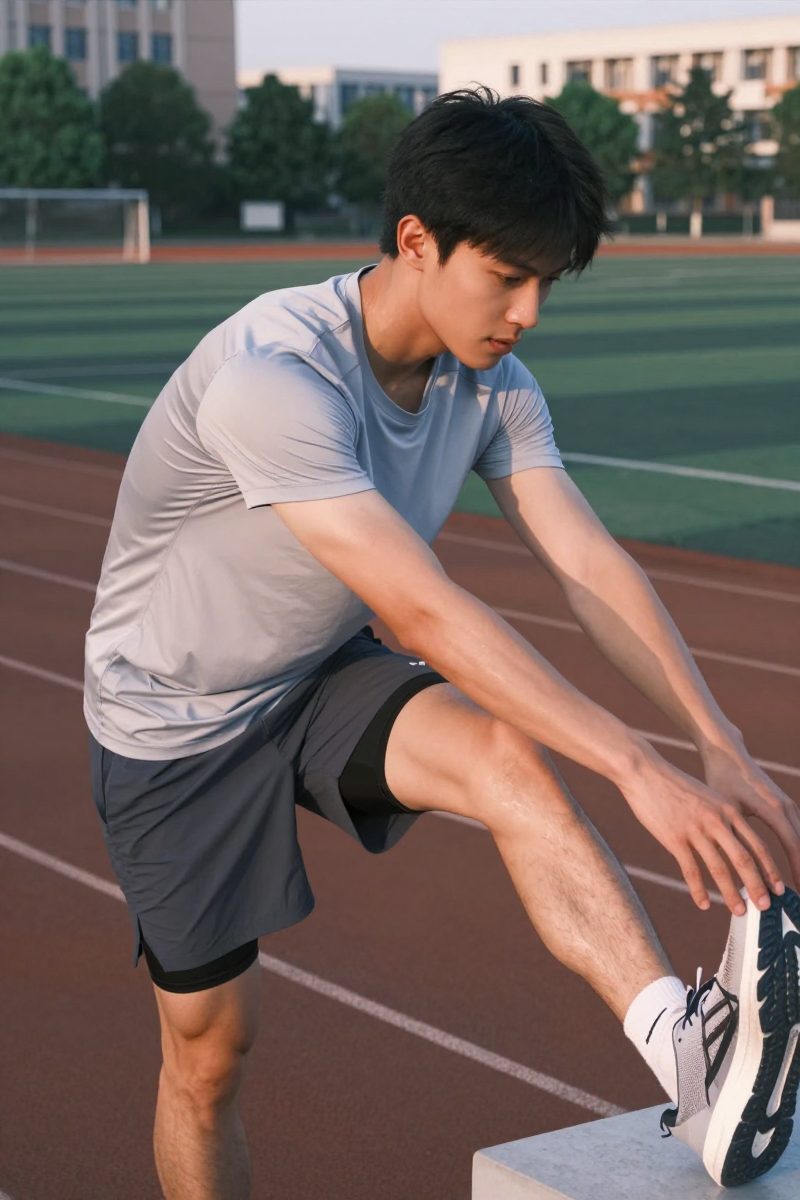
The cycling jersey is special because it pushes function and silhouette into almost total alignment. Unlike a generic sports tee or training tank, the jersey is cut very specifically for a forward-leaning posture, reduced wind resistance, close fit, and back-pocket storage. Because that internal logic is so clear, it also looks extremely “purposeful” from the outside.
For youth menswear, that creates two strong points of attraction:
- It clarifies the upper body: shoulders, chest, arms, and waist appear more defined than in general sportswear.
- It carries built-in functional identity: it never looks like a random athletic tee. It looks like something with a scenario, a purpose, and a relationship to equipment.
Of course, it is also risky. If the body state is not there, or the sizing, colors, styling, and setting all misfire, the jersey can quickly slip from “professional restraint” into “trying too hard in technical gear.” That is why it works best when it stays connected to real cycling logic rather than being borrowed casually just to manufacture athletic sophistication.
4. Why bib shorts become the true visual center of cycling style
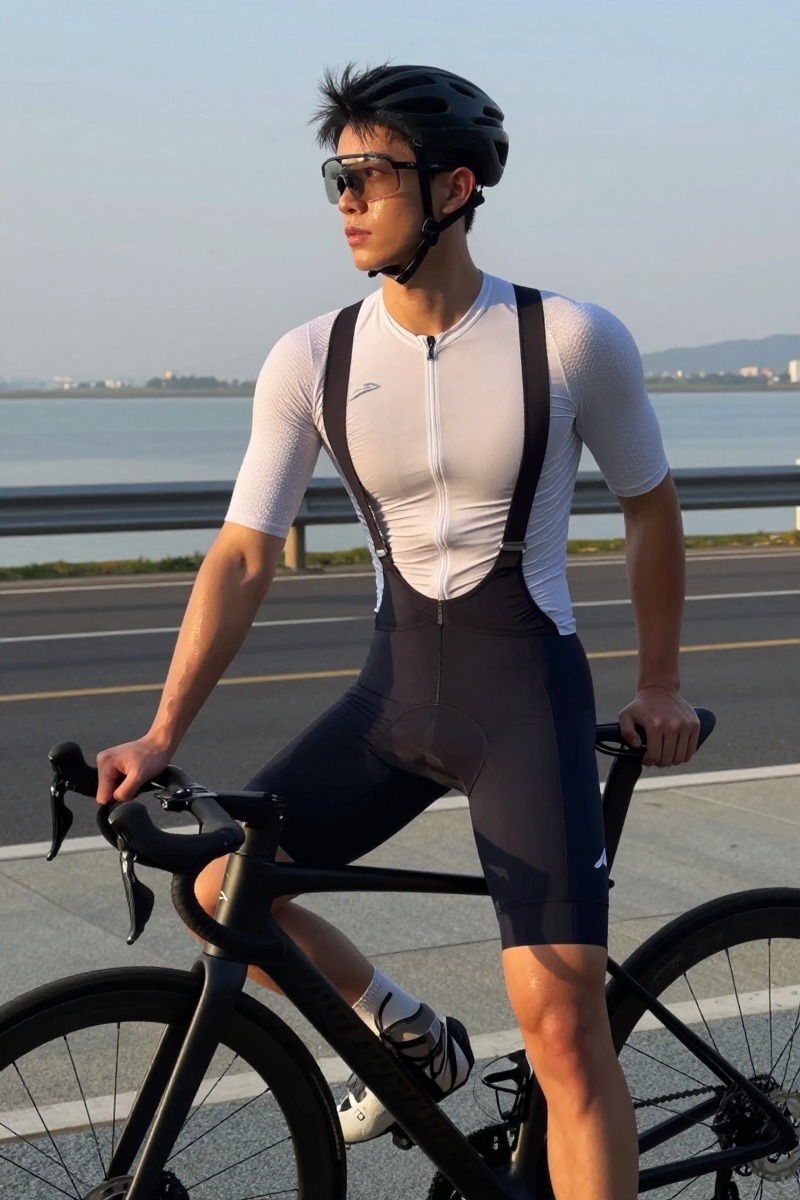
If the jersey carries upper-body function and identity, bib shorts are usually the real visual center of cycling fashion. They pull the waist, hips, front thighs, glute support, and overall lower-body structure straight to the front of the image. A lot of youth menswear talks about leg proportion, but very few garments bind proportion, muscle direction, athletic state, and professional energy together as clearly as bib shorts do.
That is also why bib shorts feel both elevated and high-threshold. They are not the kind of item most people can borrow into fashion casually. They need real riding, real equipment, real posture, and real leg state to make sense. Without that, they turn awkward immediately. But when those conditions are present, they become something rare in menswear: a highly refined image built almost entirely around lower-body athletic structure.
How to Read Cycling Shorts Properly
5. The real charm of cycling style is not only the clothing, but the total equipment relationship
Cycling style is more complete than many other menswear directions because no single garment decides everything. Helmet, glasses, shoes, socks, gloves, bottles, frame, computer, bottle cages, even bar tape—all of these help determine whether the visual system feels believable. They are not just decorative extras. They are true parts of the riding logic.
That also means cycling style is especially vulnerable to fake equipment energy. If the whole look is just a photo setup made from unrelated accessories, or the clothing and bike are over-coordinated in a cosplay way, the image becomes empty fast. The best cycling style lets you sense a real relationship between clothing and equipment: the helmet has been worn, the glasses really block wind, the shoes really clip in, the jacket really comes on when it gets cold or windy on a descent.
6. What separates cycling style from ordinary sportswear is posture and speed
A lot of sportswear can still work while standing still. Cycling style usually cannot. Its real image value comes from bent posture, pedaling, cornering, climbing, coasting, drinking, stopping, leaning against the bike, or resting one hand on the bars. In other words, cycling style is not static fashion. It is a highly posture-dependent moving fashion.
That is also why it feels so particularly masculine—but not in a rough, generic way. It is a more refined male state shaped by equipment and training: stable shoulders and back, held core, clear leg power, real sweat, real wind, and movement that exists for the ride rather than for the camera. Once that appears, cycling style can become more convincing than many standard sports looks.
7. City cycling and road cycling do not speak exactly the same visual language
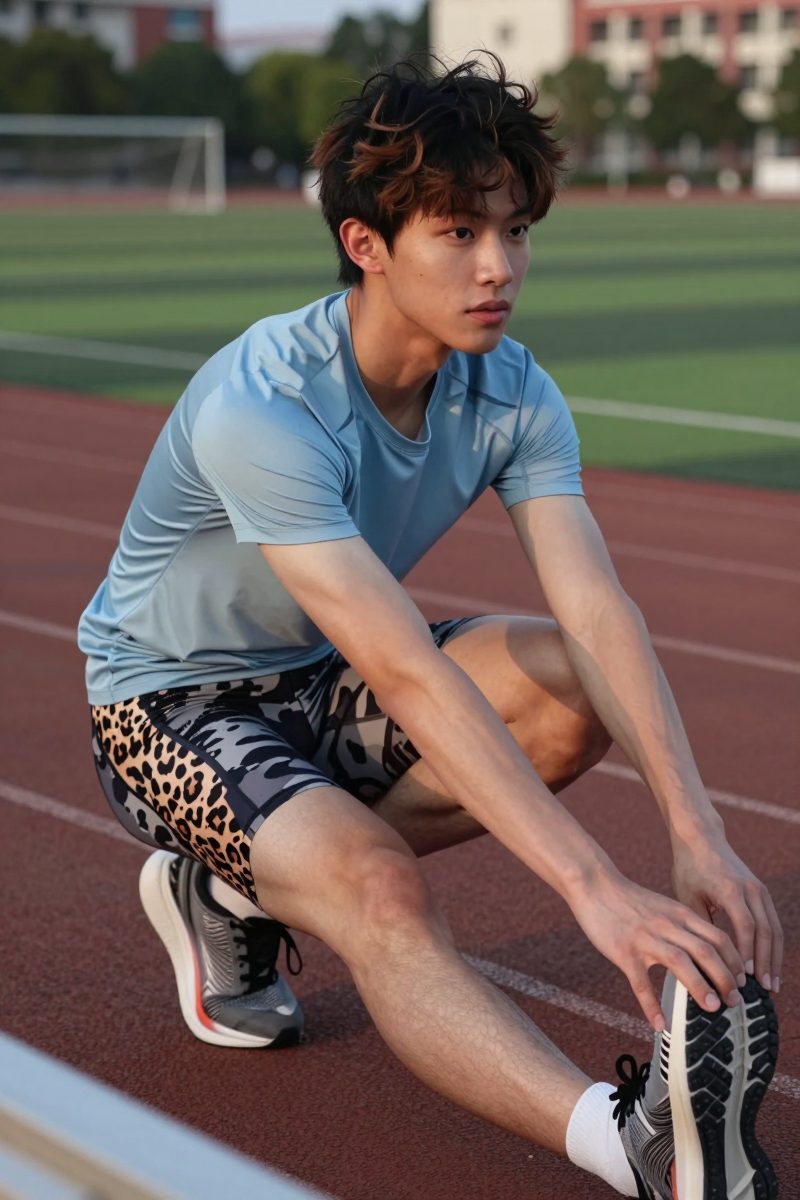
It is worth separating another layer here: city cycling and road cycling both belong to cycling, but they do not produce the same visual language. Road cycling usually emphasizes full kit, close silhouette, competitive energy, bent posture, and long-distance effort. City cycling more easily includes technical outerwear, commuter bags, slightly looser trousers, casual shoes, and a more relaxed rhythm. Both can look good, but they should not be mixed carelessly.
Inside a BoyStyle framework, the two most interesting lines are probably:
- a clean, fully coherent road-cycling kit: stronger in professionalism, body presence, and machine consistency;
- a city-cycling wardrobe that borrows technical-fabric and equipment logic: more practical for commuting, streetwear, and everyday reality.
The biggest danger is trying to combine the most specialist bib-short logic with the most casual commuter pieces in a way that ends up looking like neither real cycling nor real fashion.
8. Color and brand language: why cycling style feels so “clean elite sport”
Cycling style rarely works through visual noise. Its strongest versions are often very clean: black, white, deep navy, gray, olive, oxblood, cream, or tightly controlled contrast accents. Because the color language is often so restrained, jerseys and bibs make it easier to notice actual design quality and cut quality.
That separates cycling kit from a lot of more traditional team-sport gear. Once a cycling jersey becomes too loud, too sponsor-heavy, too logo-packed, or too crowded in pattern, it can look like race uniform imitation or a cheap team copy. But when the visual balance is controlled, cycling clothing can carry a very specific European-feeling, technically elite kind of athletic refinement. That image is highly attractive in youth menswear culture.
9. The most common mistake: treating cycling style as just “tighter sportswear”
The easiest mistake is to reduce cycling fashion to a kind of tight-fit sportswear aesthetic. That only captures the outermost layer. What really makes cycling style work is not tightness itself, but the logic behind the tightness: wind resistance, pedaling, sweat, fuel, speed, long-duration body control, and the precise relationship between machine and clothing.
So if it is read only as “more body-revealing sportswear,” it quickly becomes cheap. The higher version of cycling fashion is never mainly about display. It is about a functional, bodily, and machine-based relationship that is so complete it naturally becomes visually charged. The order matters.
10. If I kept only one stable cycling-style image formula
If I had to keep only one BoyStyle-friendly cycling-style formula, I would choose:
- a clean jersey
- well-made bib shorts
- long socks, clip-in shoes, helmet, and glasses all kept visually restrained
- a palette limited to two or three main colors
- everything photographed in real routes, real road surfaces, real feed stops, and real recovery moments
This formula is strong not because it “looks like fashion,” but because it already turns function, speed, body, and order into a more complete male image than ordinary fashion usually can. That is exactly why cycling style is no longer only an internal cycling-gear topic. It is becoming one of the most body-driven, equipment-aware, and finely athletic lines inside youth menswear.
Read next: Why compression training shorts are becoming so common among sporty young men, Why outdoor sportswear now looks increasingly like youth lifestyle content, Why college-boy style has become a stable youth menswear language again, Why men’s swimwear is moving back into youth menswear
Source model: Chinese-internet discussion around road bikes, cycling gear, cycling outfits, urban riding, cycling café stops, youth sports imagery, and cycling-brand content; plus common product-language and visual patterns around jerseys, bib shorts, cycling wind jackets, cycling glasses, and clip-in shoes.