Why Music and Clothing Always Reconnect: From Rock Style and Idol Singers to Tension, Individuality, and Rebellious Menswear
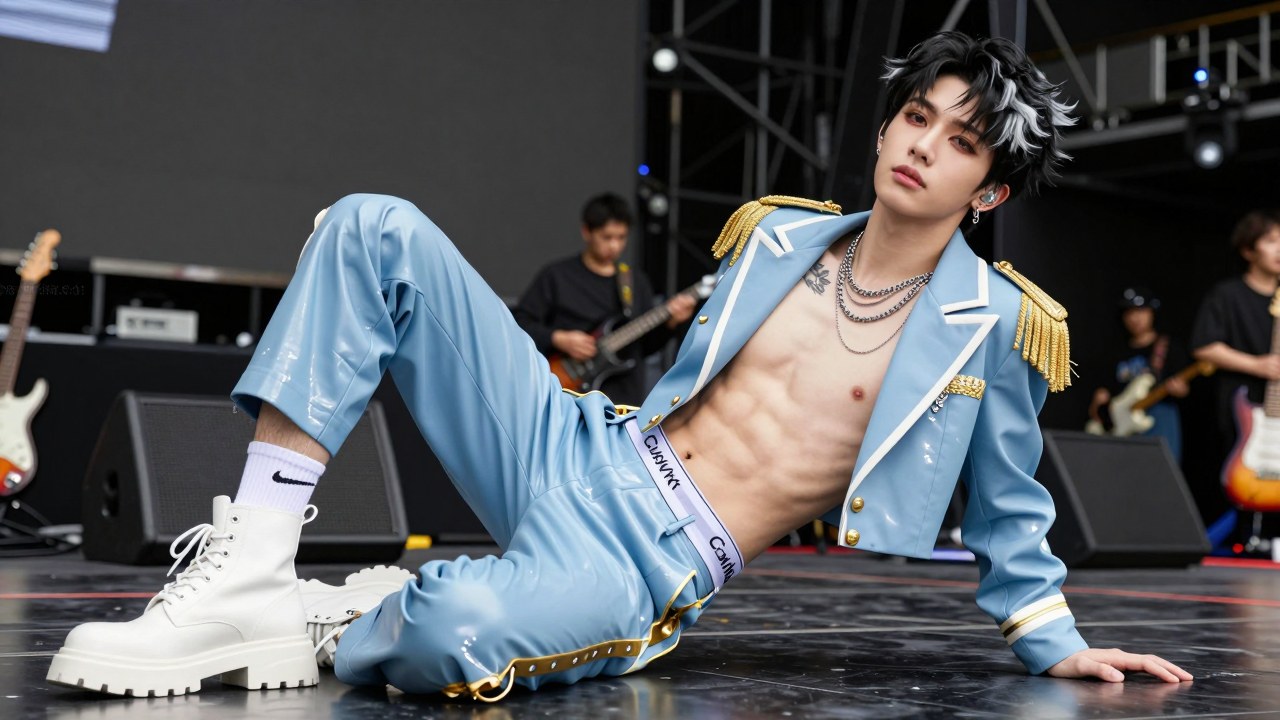
The relationship between music and clothing has almost never really disappeared. It only gets reconnected differently by each generation. Sometimes rock music pushes leather jackets, denim, boots, slim trousers, and restless posture back to the front. Sometimes idol singers bring dyed hair, necklaces, earrings, stage-ready body lines, and more polished visual drama back into youth menswear. Sometimes the situation becomes more mixed: rock rebellion, idol-stage refinement, social-media image speed, and the simple contemporary urge to avoid dressing too blandly all begin to reshape how young men dress.
That return keeps happening because music is never only sound. It is also identity, emotion, aesthetic position, group code, and bodily performance. Clothing is not secondary in that process. It is one of the most visible things music leaves behind. What someone listens to, who he wants to become, and how he wants to be read by others often shows up in clothes earlier than in words. That is why music-based menswear is never only about “dressing like a musician.” It is also about wearing personal tension, unrest, emotional intensity, and self-definition on the outside of the body.
1. Why music keeps returning to men’s clothing systems
The reason is simple: music is naturally tied to style performance. Whether the source is rock, punk, metal, pop idols, indie bands, or later hybrid stage cultures, it never stays only at the level of sound. What people remember is not just the song, but the hair, leather, skinny trousers, microphone grip, stance, shoulder line, jewelry, stare, and the stage energy of someone who clearly does not want to look like everyone else.
That is exactly why music has always shaped menswear so deeply. It offers men a rare outlet: not dressing correctly in order to blend in, but dressing with attitude in order to separate themselves. Many other menswear systems focus on being proper, practical, safe, and easy to combine. Music style gives room for danger, edge, theatricality, and a refusal to fully submit to ordinary visual order. Those things remain deeply attractive to a lot of young men.
2. Why rock style still keeps returning
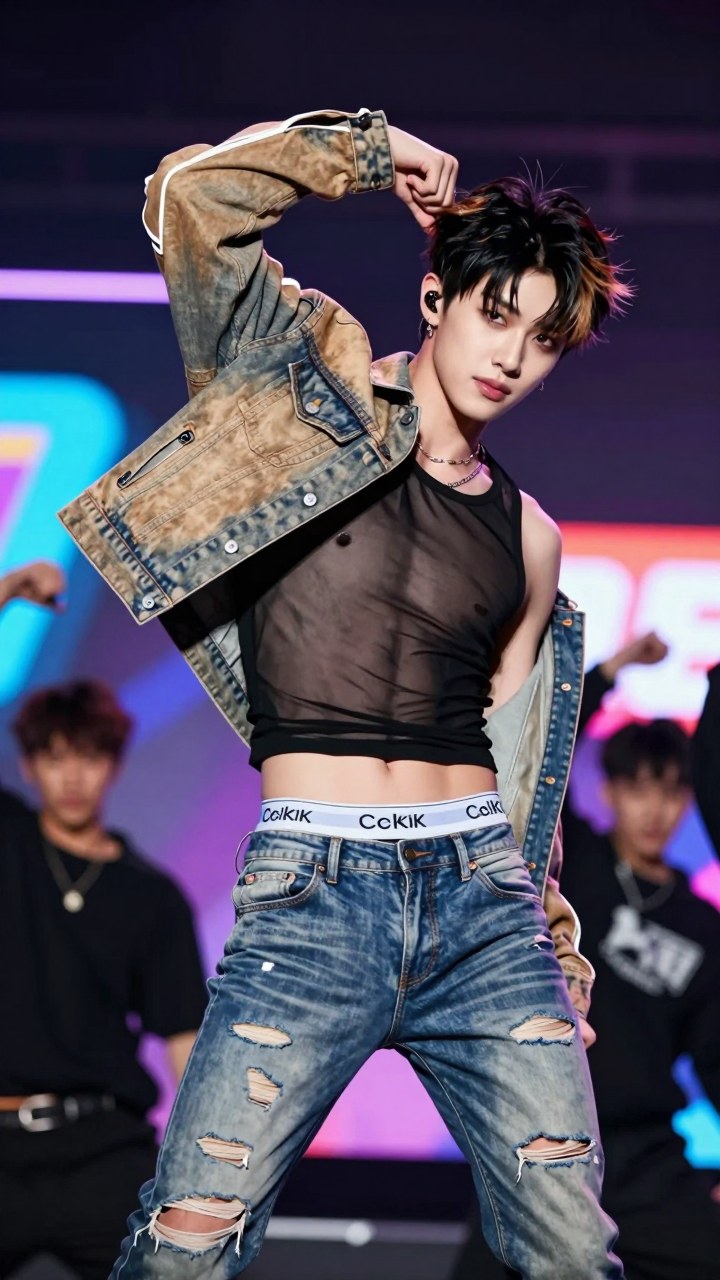
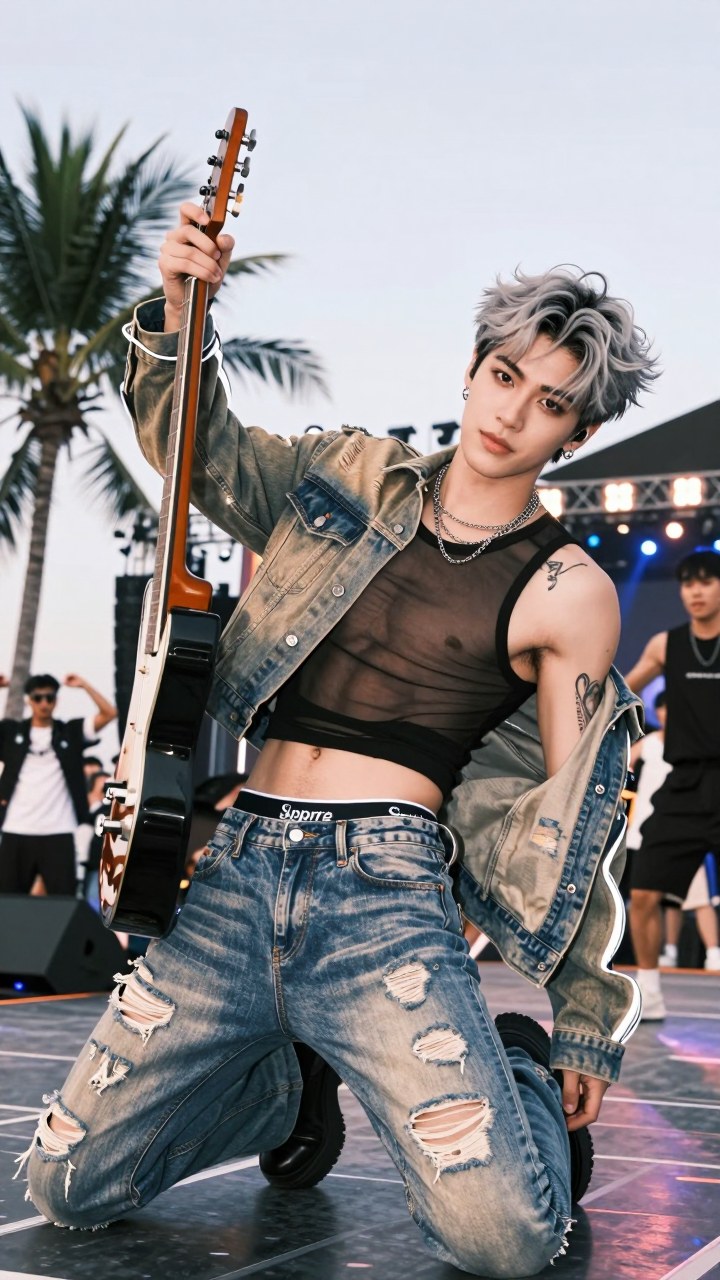
Rock style is hard to truly kill because it captures some of the oldest and most stable desires inside menswear: the desire to look narrower, sharper, more nocturnal, more wind-exposed, and slightly more disruptive without collapsing into total chaos. Leather jackets, worn denim, slim trousers, boots, old band tees, silver jewelry, smudged darkness, and messy hair may sound over-discussed, but they never really left.
The reason is not nostalgia. The reason is that they still work. The core of rock style was never just one garment. It was always the ability to tighten the body, sharpen the silhouette, lean the mood toward night, and place emotion on the outside. It makes a person look a little more aggressive, a little more nocturnal, a little more story-shaped. Even if today’s wearer is not a strict old-school rock listener, he can still be drawn to that tension.
3. How idol singers rewrote men’s “individual style”
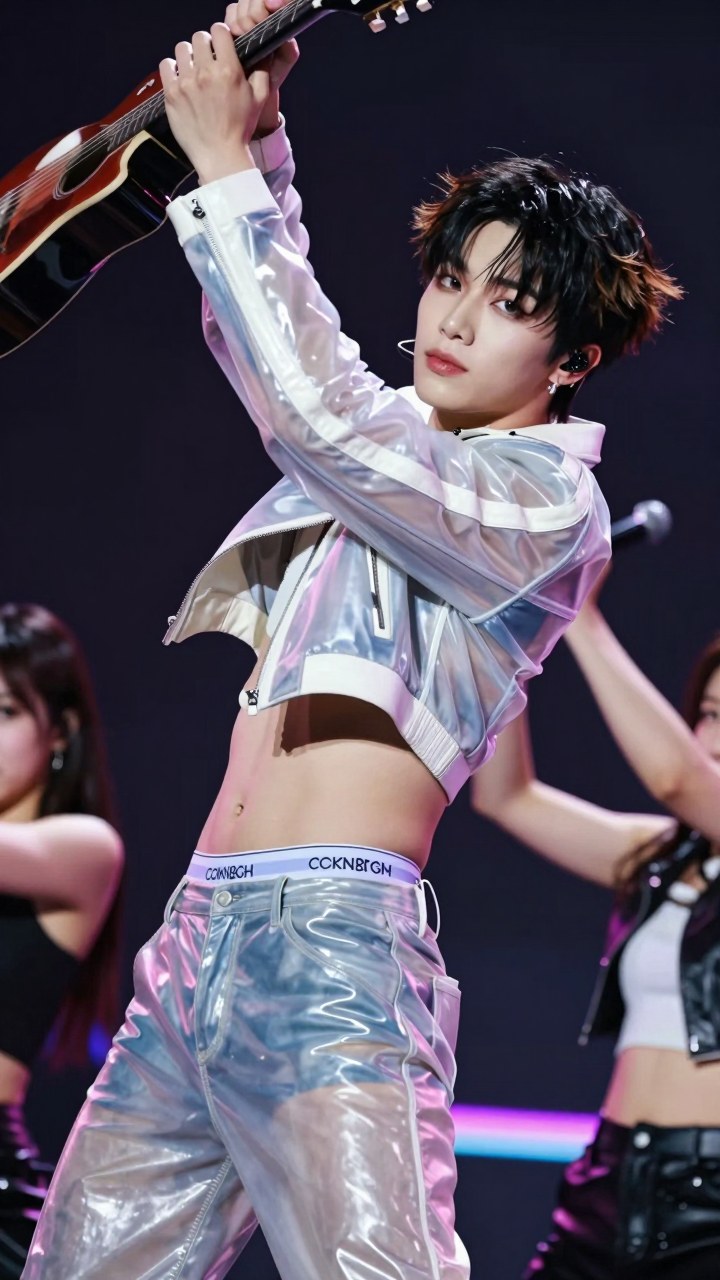
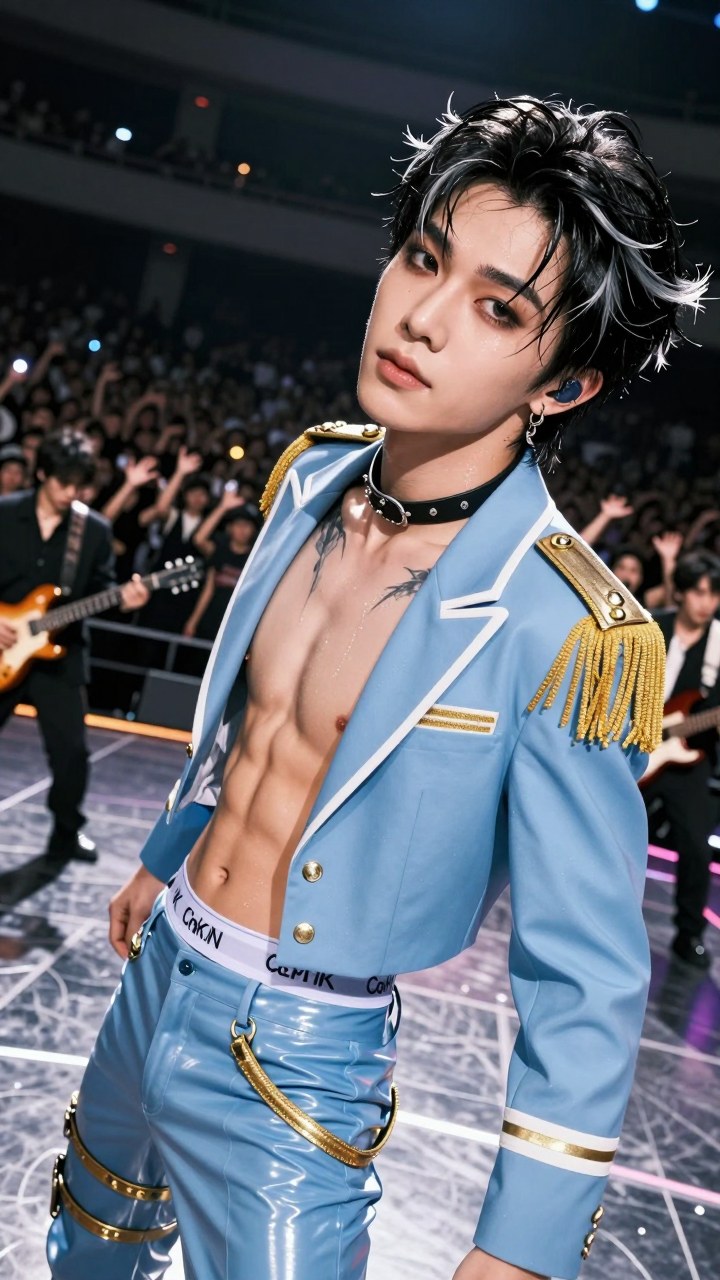
If rock offered a rougher, darker, more dangerous kind of tension, idol singers introduced a different system: more polished stage bodies, more controlled hair and makeup, more designed layering, more jewelry, stronger gender performance, and details built for camera attention. It may not feel as raw as classic rock, but its impact on youth menswear is just as deep.
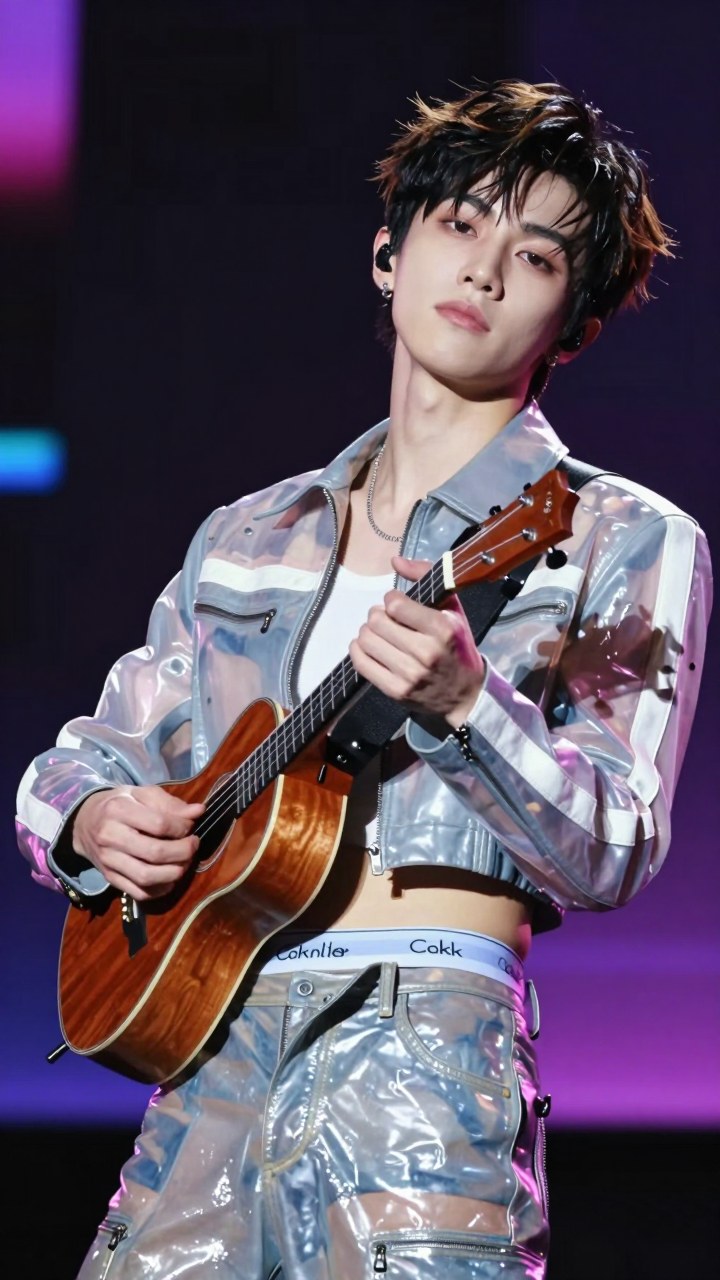
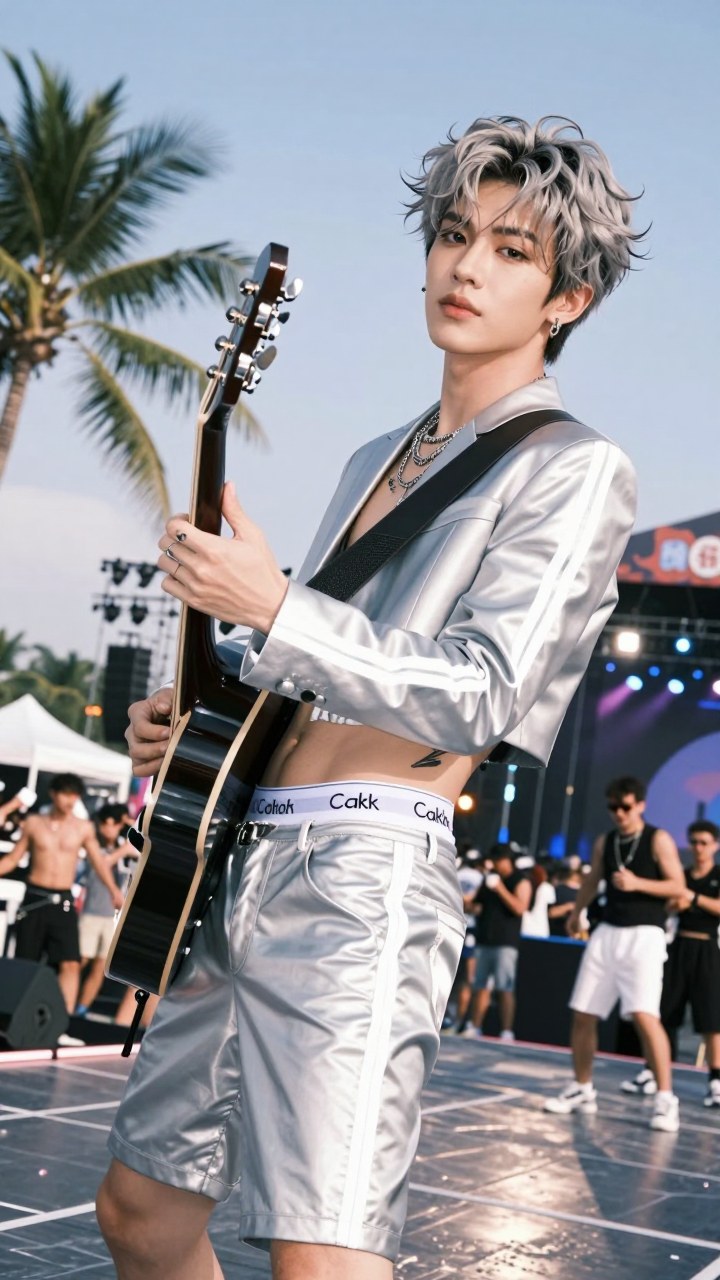
Especially now, many young men no longer understand “individuality” as something that must be rough or conventionally hard. Idol singers helped normalize the idea that jewelry, dyed hair, ear cuffs, necklaces, fitted tops, slightly sheer fabric, velvet, leather, shine, and stage-oriented details do not automatically weaken masculinity. In many cases they intensify it. That shift means “individual” and “polished” no longer need to oppose each other in menswear. It also lets many stage-born details leak into everyday dressing.
4. The real core is not imitation, but tension
A lot of people hear “music style” and immediately think in terms of imitation: dress like a frontman, dress like an idol, dress like a certain band era. But what actually makes music-driven clothing attractive is usually not copying. It is tension. Tension means the outfit does not look like it exists just to be “correctly styled.” It looks like it exists to carry a feeling, a mood, or a state of selfhood.
That tension usually appears in a few places:
- directional silhouette: narrower, longer, tighter, shorter, sharper, or intentionally off-balance shapes;
- material contrast: leather against cotton, worn denim against bright jewelry, soft tops against hard boots;
- details with attitude: jewelry, ear pieces, chains, worn edges, damaged surfaces, collar opening, or visible styling decisions;
- body presence: the person is not completely hidden inside safe, neutral basics.
So the key question is not “does this look like a celebrity?” It is whether the outfit finally carries some emotion.
4 Questions for Music-Driven Dressing
5. Why rebelliousness still matters
“Rebellion” often gets treated like an old word, as if it belongs only to some past era of teenage rock mythology. In reality it just changed form. Young men today may not rebel in the loudest or most dramatic way, but they still use clothing to say: I do not want to look exactly like office-standard menswear, and I do not want every outfit to collapse into interchangeable clean basics, hoodies, and sneakers. That small refusal is one of the reasons music-driven menswear keeps surviving.
And the most attractive rebelliousness is not always extreme. Often it just means loosening certain rules slightly: trousers a little slimmer, leather a little more worn, jewelry a little more visible, hair a little less disciplined, neckline a little more open, expression a little colder, clothing that belongs slightly more to night than to day. It does not exist just to shock. It exists to preserve the part of someone that does not want to behave too perfectly.
6. From rock to idols, male “restlessness” never disappeared—it just changed shape
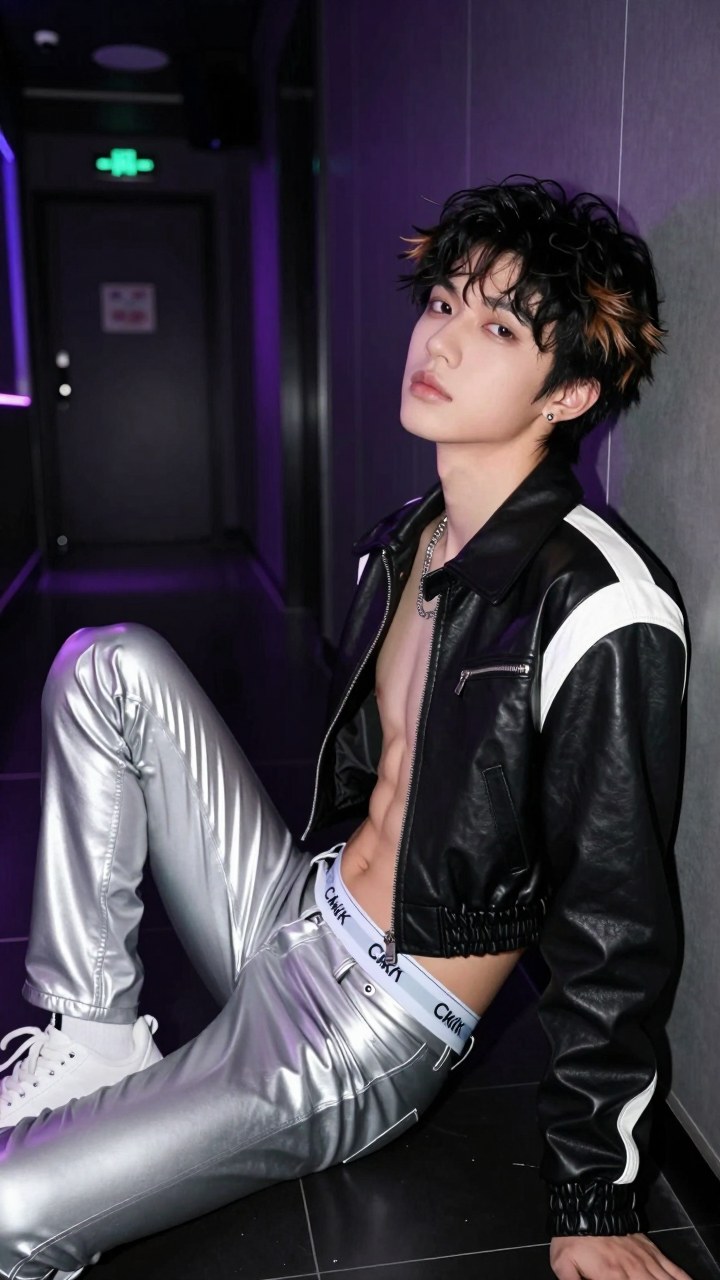
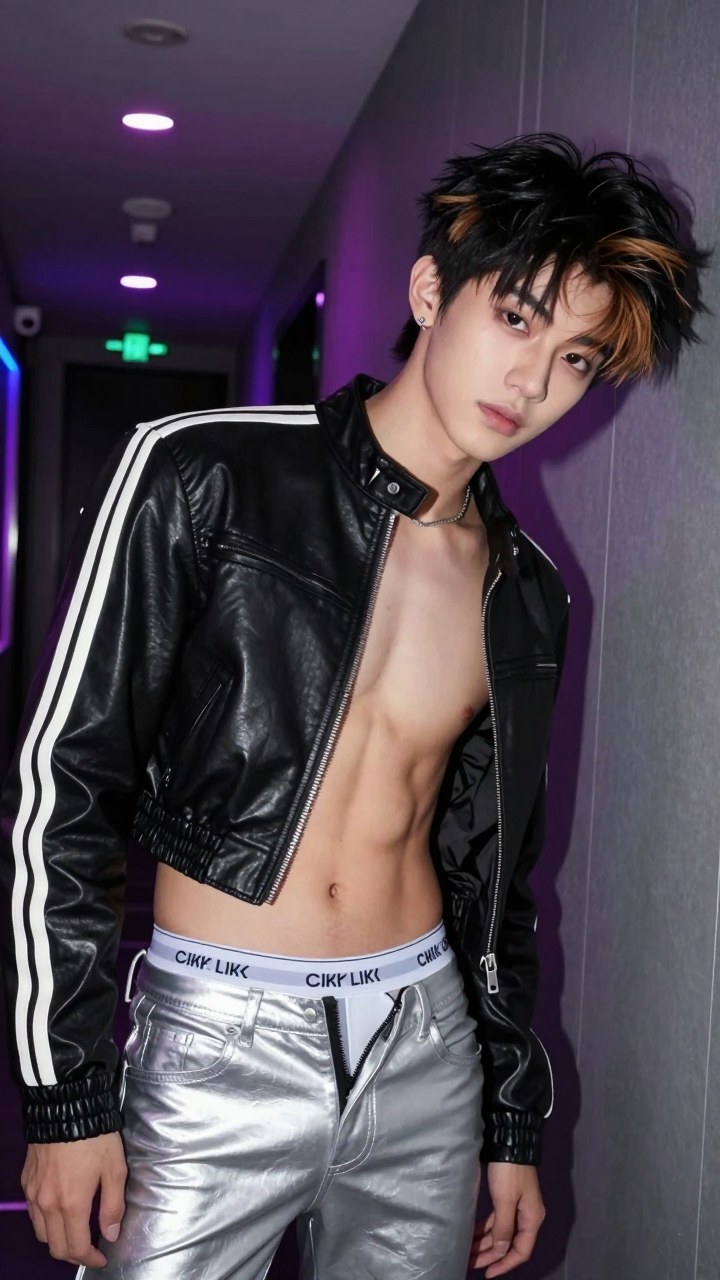
What is interesting is that this restless quality never vanished. It simply moved from one form to another. At one point it may have meant biker jackets, skinny denim, cigarette-smoke imagery, boots, and underground venues. Later it may have meant dyed hair, rings, chains, sheer layers, velvet, stage light, and more gender-fluid lines. The routes look different, but the core action is the same: letting a young man move slightly outside the boundaries of “normal dressing.”
That also explains why the most compelling music-driven menswear today is rarely pure rock or pure idol. It is often hybrid: some old rock sharpness, some idol-stage precision, some social-media camera awareness, and some highly self-aware youth branding. In many ways that mixed form is more realistic now than any single-source purity.
7. The core recurring garment themes
If you strip down the recurring wardrobe language of music-based style, it usually circles back to a few repeating types:
- leather jackets: the fastest route to edge and night energy;
- worn denim: naturally tied to rock, band culture, and unpolished body presence;
- slim trousers and body-conscious cuts: these sharpen leg proportion and visible tension;
- band tees and image tees: the easiest direct way to wear allegiance to a sound world;
- silver jewelry, necklaces, earrings, rings: the details that push a look from ordinary dressing into visible self-expression;
- boots: grounding the lower half while pulling the whole look closer to night.
But none of these pieces automatically equal style. Once they are stacked mechanically, they can become cheap cosplay. What matters is whether they are placed back into a believable body and believable temperament.
8. Why “individuality” is especially difficult in music-based menswear
Because individuality dies the second it becomes formulaic. Once everyone follows the same rebellion template, the personal force disappears. That is why music-based menswear is difficult in a specific way: it needs to preserve some private shift inside a set of widely known elements. One person may lean colder and more rock-coded. Another may lean more idol and stage-polished. Another may feel more indie-band adolescent. Another may slide toward glam shine and nightlife. The routes differ, but the point is that the result cannot feel like a copied answer sheet.
That is also why music-driven dressing depends on the person more than many other styles do. Your body, haircut, face line, expression, stance, shoulder-neck structure, even whether you carry a little looseness or sharpness while moving—all of these decide whether the clothes feel alive or dead. Musical energy is hard to buy directly. Eventually it still returns to the body that wears it.
9. The most common mistake: dressing rebelliousness into cheapness
The easiest failure in music-oriented menswear is translating “I do not want to look ordinary” into “I need more elements.” The result is predictable: leather too stiff, trousers too tight, chains too many, graphics too loud, hair too forced, makeup too dirty, and the person ends up with cheapness instead of tension. Higher-level rebelliousness is almost never about overload. It is about deviation inside restraint.
In other words, you do not need every possible symbol at once. You only need one or two things to truly work: a beautifully cut slim trouser, a perfectly worn leather jacket, a single silver chain, hair that falls just slightly too loose, a black top opened at exactly the right level. The strongest style rarely shouts the loudest. It simply makes people feel that the wearer has no real desire to stay inside every rule.
10. If I kept only one stable formula for music-based style
If I had to leave BoyStyle with one stable rule for music-linked dressing, it would be this: decide the emotional direction first, then decide the clothes. Do you want darker, sharper, more nocturnal rock energy? Or more polished, staged, idol-coded intensity? Or some hybrid between the two? Once that emotional direction is fixed, the garments, jewelry, hair, and shoes can all start pulling in the same direction.
Because the real reason music and clothing keep reconnecting is never just that a certain garment became fashionable again. It is that each generation of young people still wants clothing to speak for them. Rock style, idol singers, stage dressing, personal tension, restlessness, and rebelliousness are all just different versions of the same impulse: young men do not only want to look good. They want to look like themselves—ideally a version of themselves that is slightly stronger, brighter, and less willing to submit than everyday life usually allows.
Read next: Why college-boy style has become stable again, Why outdoor sportswear now looks increasingly like youth lifestyle content, Why the hoodie remains a core emotional garment in youth style, Why silver chain necklaces are returning to cleanfit and youth menswear
Source model: Chinese-internet topic and image patterns around rock dressing, band style, idol-stage outfits, male individuality, rebellious style, and youth menswear expression; plus common platform visuals around leather jackets, band tees, slim trousers, silver jewelry, boots, and stage-coded shirts.